

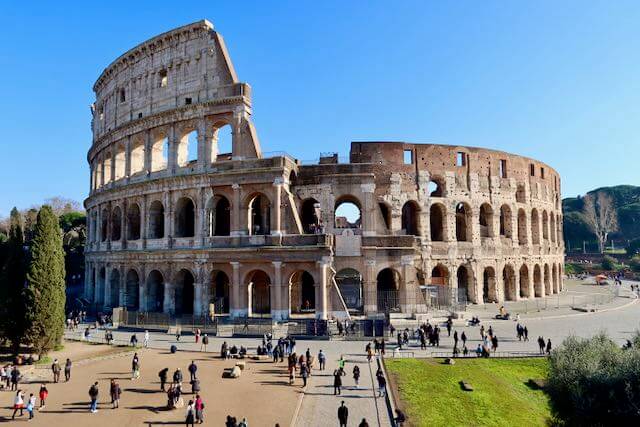
Italy has started a new cultural program that gives young people under 18 years old free entry to museums on the first Sunday of each month. The Ministry of Culture created the plan to help children and teens discover the country’s art and history. Officials hope the move will make cultural sites more inviting and exciting for younger generations.
The program covers hundreds of public museums, galleries, and archaeological sites across the country. From world-famous landmarks to small local collections, all will open their doors for free to young visitors on these days. The government believes this will help young people feel connected to Italy’s cultural roots and traditions.
Italy is known for its rich cultural heritage, with thousands of years of history seen in its museums. Ancient Roman artifacts, Renaissance paintings, medieval sculptures, and modern art are just some of the treasures on display. Yet, many young people rarely visit these places. Some see museums as formal or boring. Others feel they are too expensive for regular visits. This new program aims to remove both the financial and emotional barriers.
Officials say that giving free access is only the first step. They plan to make museums more engaging by adding youth-friendly events. These include creative workshops, storytelling sessions, and guided tours designed for younger audiences. The idea is to make each visit fun and memorable. Staff will also be trained to help younger visitors feel welcome and involved.
Museums have already started preparing for the change. Many are updating their spaces to be more interactive and kid-friendly. Some plan to use digital tools such as touch screens and augmented reality apps. These can bring history to life and help young people understand complex ideas in simple ways. Others will offer special activity maps or treasure hunts to make exploring the exhibits more exciting.
Teachers and parents have welcomed the program. They see it as a chance to give children real-world learning experiences outside the classroom. Many educators believe that seeing artifacts and artworks in person can inspire curiosity and spark new interests. They also say it can support school lessons by making history and art more real and easy to understand.
Tourism experts think this move could also benefit local communities. Museums often support nearby shops, cafes, and bookshops by drawing more visitors. If more families come on these free Sundays, local businesses may see more customers. Over time, this could also increase cultural tourism, as young people who grow up enjoying museums may keep visiting them as adults.
The Ministry of Culture has said it will monitor how the program works over the coming year. They will track visitor numbers, collect feedback from families, and review how museums adapt to the increase in young visitors. If the plan succeeds, they may add more free days or expand it to include students up to 25 years old.
This effort reflects Italy’s wider goal of protecting and promoting its cultural treasures. The country holds more UNESCO World Heritage sites than any other nation. Leaders say it is vital to keep young people engaged with this heritage so they can continue caring for it in the future. They hope the free museum entry program will create lasting bonds between youth and their cultural roots.
By removing cost barriers and making cultural spaces more inviting, Italy is taking steps to build a new generation of museum lovers. The government hopes that this small monthly gesture will have a big impact—helping young people grow up proud of their country’s art, history, and culture.
