

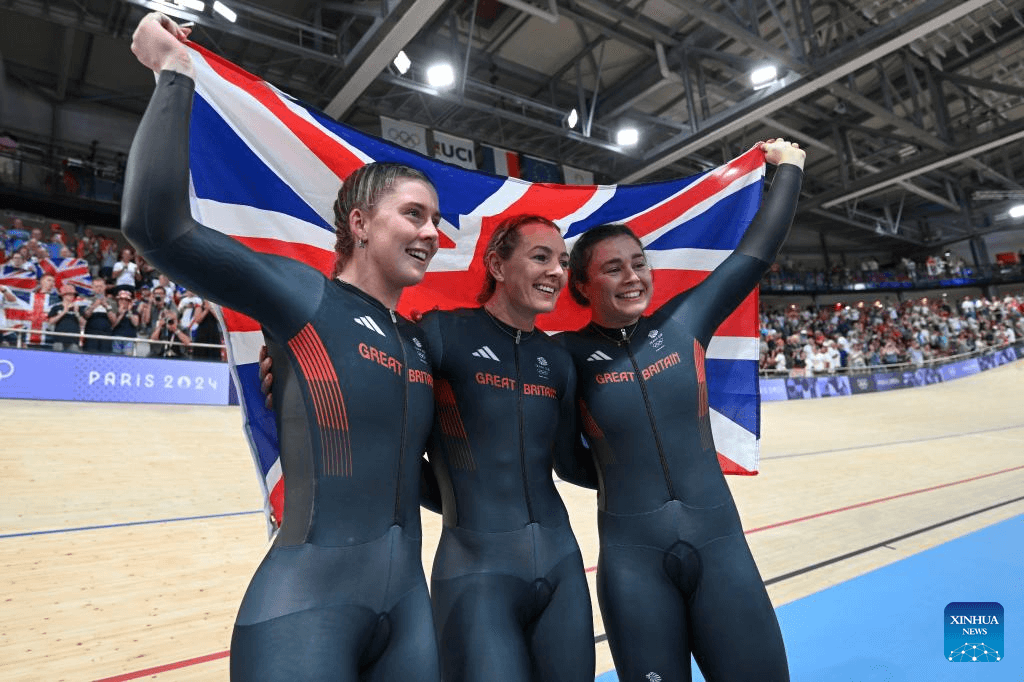
Female cycling participation has reached a record high in Britain this season, showing a major step forward for the sport. British Cycling confirmed a 30% rise in the number of registered female riders compared to last year. This growth is the largest increase seen in over a decade, marking a shift toward greater gender balance in the cycling community.
Officials say this rise is not just about numbers but also about changing culture. More women are taking part in local races, leisure rides, and fitness cycling groups than ever before. Community clubs across the country have reported a surge of new female members, with many offering beginner-friendly sessions to help new riders feel welcome.
One major reason for the rise is a series of inclusive campaigns launched over the past two years. These campaigns promoted cycling as an activity for everyone, regardless of skill level or background. They focused on visibility, representation, and confidence-building, showing real women from different age groups and regions enjoying cycling. This approach helped many women see the sport as open and accessible to them.
British Cycling also organized a range of community riding events aimed at encouraging women to try cycling in a supportive environment. These events included group rides, cycling festivals, and training sessions led by experienced female coaches. Many participants said these events helped them build confidence and skills while connecting with other women who share the same interest.
Local authorities and schools have also played a role in driving this change. More school-based cycling programs now include girls-only sessions to give young riders a positive first experience. Several city councils have improved cycling infrastructure and promoted safer bike lanes, making cycling more appealing for daily commutes and recreational use.
Health and fitness benefits are another factor inspiring more women to ride. Many new riders have said they started cycling to stay active, improve mental health, or spend more time outdoors. The rise of electric bikes has also helped, making cycling less intimidating for beginners and allowing riders of different fitness levels to enjoy rides together.
Retailers have noticed the shift as well. Sales of women’s cycling gear, including bikes, clothing, and safety equipment, have grown sharply over the past year. Several major brands have expanded their women-focused product lines in response to growing demand, showing the commercial impact of the rising female presence in the sport.
Experts say the rise in female cycling participation could reshape the future of British cycling. More women at the grassroots level could lead to a stronger pipeline of talent for competitive racing. This could also bring more gender equality in coaching, leadership, and sponsorship roles within the sport.
British Cycling has said it will continue investing in programs that support women’s cycling. The organization plans to expand its mentorship schemes, create more leadership roles for women, and provide more training opportunities for female coaches. It has also pledged to keep working with local clubs and schools to make cycling safe and welcoming for all.
The success of this year’s growth shows how targeted support can make a difference in sports participation. With more women riding than ever before, British cycling is becoming more inclusive and representative of the wider community. If the trend continues, female cycling participation could reach even higher levels in the coming seasons.
