

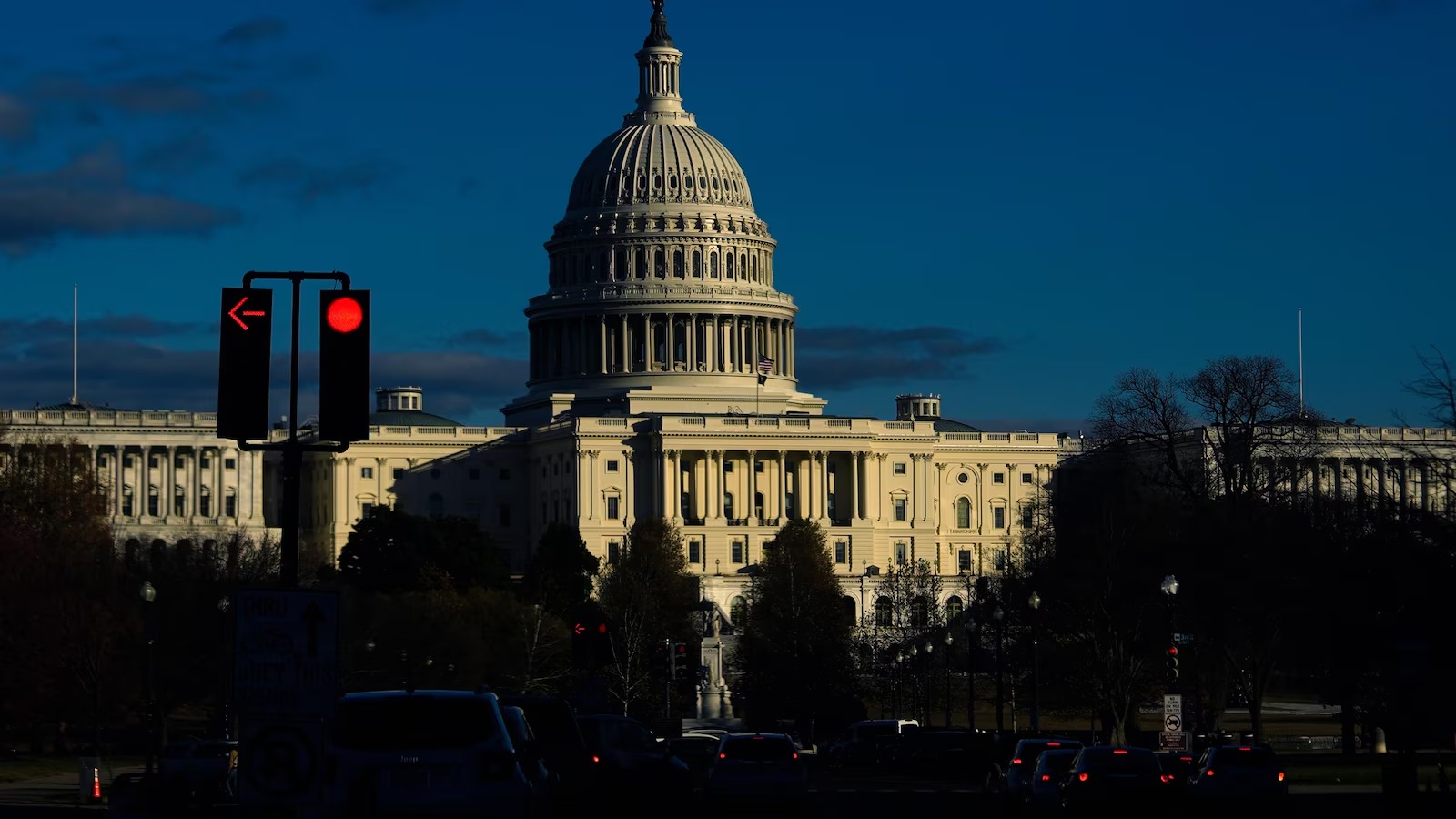
A large wave of U.S. lawmakers has announced they will not seek re-election, marking a significant shift in Congress. Over 50 members have declared their retirement, creating opportunities for new voices and political renewal in the upcoming elections.
Political analysts say this mass departure could reshape legislative priorities. Many retiring lawmakers have held seats for decades, and their exits open the door for fresh perspectives and younger leaders.
The wave includes members from both major political parties. While some retirements were expected due to age or long tenure, others came as a surprise, signaling possible shifts in political strategy and personal decisions influenced by recent legislative battles.
Experts highlight that retirements often change the balance of power in Congress. When long-standing members step down, it can affect committee assignments, leadership roles, and party dynamics. New candidates may bring innovative ideas, but also face the challenge of establishing themselves in a competitive political environment.
Voter engagement could be affected as well. Constituents in districts with retiring lawmakers may see increased competition during primaries. This often leads to lively campaigns, with candidates emphasizing fresh approaches to policy issues such as healthcare, education, and economic growth.
The retirements are also seen as a response to the heightened political polarization in recent years. Some lawmakers cited a desire to step away from partisan battles and focus on personal or professional goals outside of Congress.
Political observers note that such a large number of retirements is unusual and could influence national politics. Parties will now work to recruit strong candidates to maintain or gain seats, while also trying to appeal to changing voter demographics in their districts.
Many of the retiring lawmakers have left behind long legacies. They have played roles in shaping key legislation and guiding their parties through complex political landscapes. Their departures mark the end of an era and the beginning of a potentially transformative period in U.S. politics.
With the retirement wave now underway, upcoming elections are expected to be highly competitive. Both parties will focus on selecting candidates who can carry forward their agendas while appealing to a broad spectrum of voters. Analysts suggest that new leadership may bring shifts in policy priorities and legislative approaches.
As the political landscape evolves, observers will closely watch which candidates emerge to fill the vacant seats. The retirements not only create opportunities for fresh leadership but also challenge parties to adapt to changing political dynamics and voter expectations.
This large-scale exodus of lawmakers highlights the fluid nature of political careers in the United States. It also underscores the importance of renewal and representation in Congress, offering voters a chance to influence the direction of national policy through their choices.
