

US and European defence ministers agreed this week that NATO needs to evolve, with Europe taking a bigger role in its own defence. While both sides support a stronger European presence, the motivations differ: Washington wants to pivot toward other global theatres, while Europeans worry about relying too heavily on a US administration seen as unpredictable.
US Under Secretary of War Eldridge Colby called for a “NATO 3.0,” urging European allies to take primary responsibility for conventional defence. “Europe should field the preponderance of the forces required to deter, and if necessary, defeat conventional aggression in Europe,” he said, emphasizing that Europe must be ready to lead on its own soil.
A New Mindset in Brussels
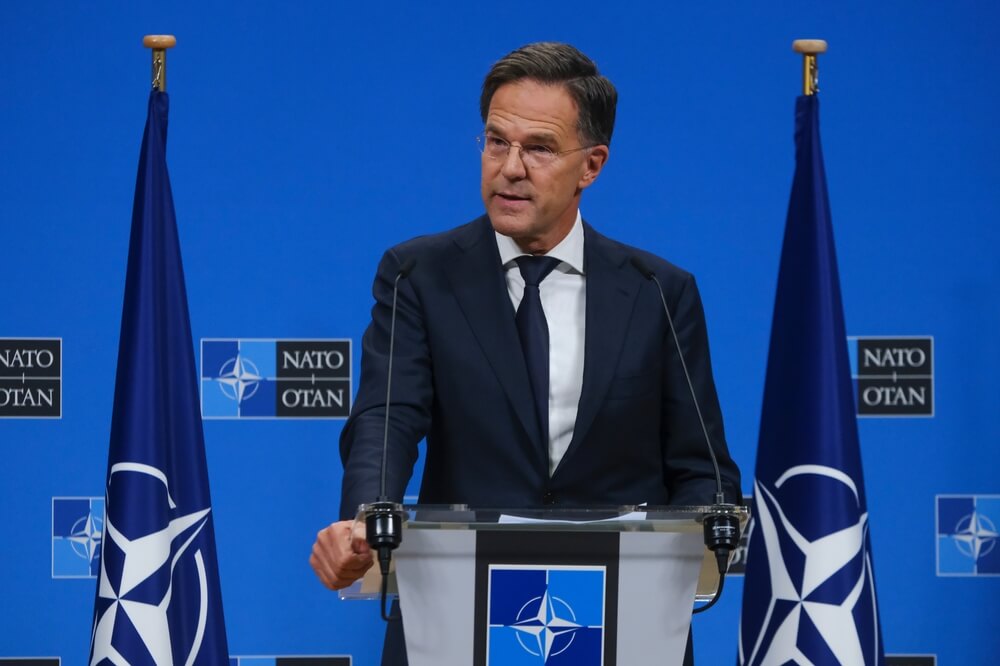
The push for greater European responsibility is not new, but the tone in Brussels signaled a shift. NATO Secretary General Mark Rutte called the meeting “one of the most pivotal” he has attended, highlighting a growing unity of vision and a stronger European defence pillar within the alliance.
Several countries, including Denmark, Estonia, Latvia, Lithuania and Poland, have already exceeded the newly-agreed 3.5% of GDP defence spending target for 2025 — achieving it a decade ahead of schedule. These targets were negotiated last year amid concerns raised by former President Trump, who had questioned whether Washington would defend allies failing to meet spending benchmarks.
Europeans Taking the Lead
European ministers emphasized the natural progression of responsibility. German Defence Minister Boris Pistorius said it is time for Europe to gradually take on more conventional defence duties. France echoed that sentiment, noting Europeans have already begun reinforcing NATO’s “European pillar,” while Romania called for ramped-up defence production to ensure Europe can defend itself, even while collaborating with the US.
The Netherlands called for a “no-surprise policy” to ensure any American drawdown is matched by a European build-up. The US has already signalled the start of this shift by deciding not to replace a rotating infantry brigade in Romania.
Balancing Leadership and Alliance Strength
Changes are also underway within NATO’s command structure, with European allies assuming more leadership roles. Yet Rutte stressed that the Supreme Allied Commander Europe — responsible for NATO’s military planning — must remain American. This guarantees a strong US presence while allowing Europe to take on increasing operational responsibility, creating a practical division of labour in an alliance where the US still accounts for over half of NATO’s economic power.
The emerging NATO 3.0 reflects a partnership in transition: Europe strengthening its forces, the US focusing on broader global priorities, and both working to maintain the transatlantic bond that has underpinned security for decades.
