

Clashing Views on Europe’s Role
The Munich Security Conference showcased contrasting perspectives on the West’s future. U.S. Secretary of State Marco Rubio urged Europe to join the U.S. in safeguarding a shared civilisation, warning that the West risks decline if it ignores poorly designed policies on climate and migration. Rubio described America as a “child of Europe” whose fate is intertwined with the continent.
In response, EU foreign policy chief Kaja Kallas rejected the idea that Europe needs saving, saying a so-called “woke, decadent” Europe is not facing civilisational collapse. Ursula von der Leyen said Rubio’s remarks reassured her about transatlantic ties, while Volodymyr Zelenskyy pressed Europe to commit to a date so Ukraine could be “technically ready” to join the EU in 2027.
Europe and Ukraine Peace Talks
Zelenskyy also criticized Europe’s absence from U.S.-brokered talks with Russia, calling it a “big mistake.” Despite European nations being the largest donors of military and financial support to Ukraine, they have been largely sidelined from negotiations that began last year.
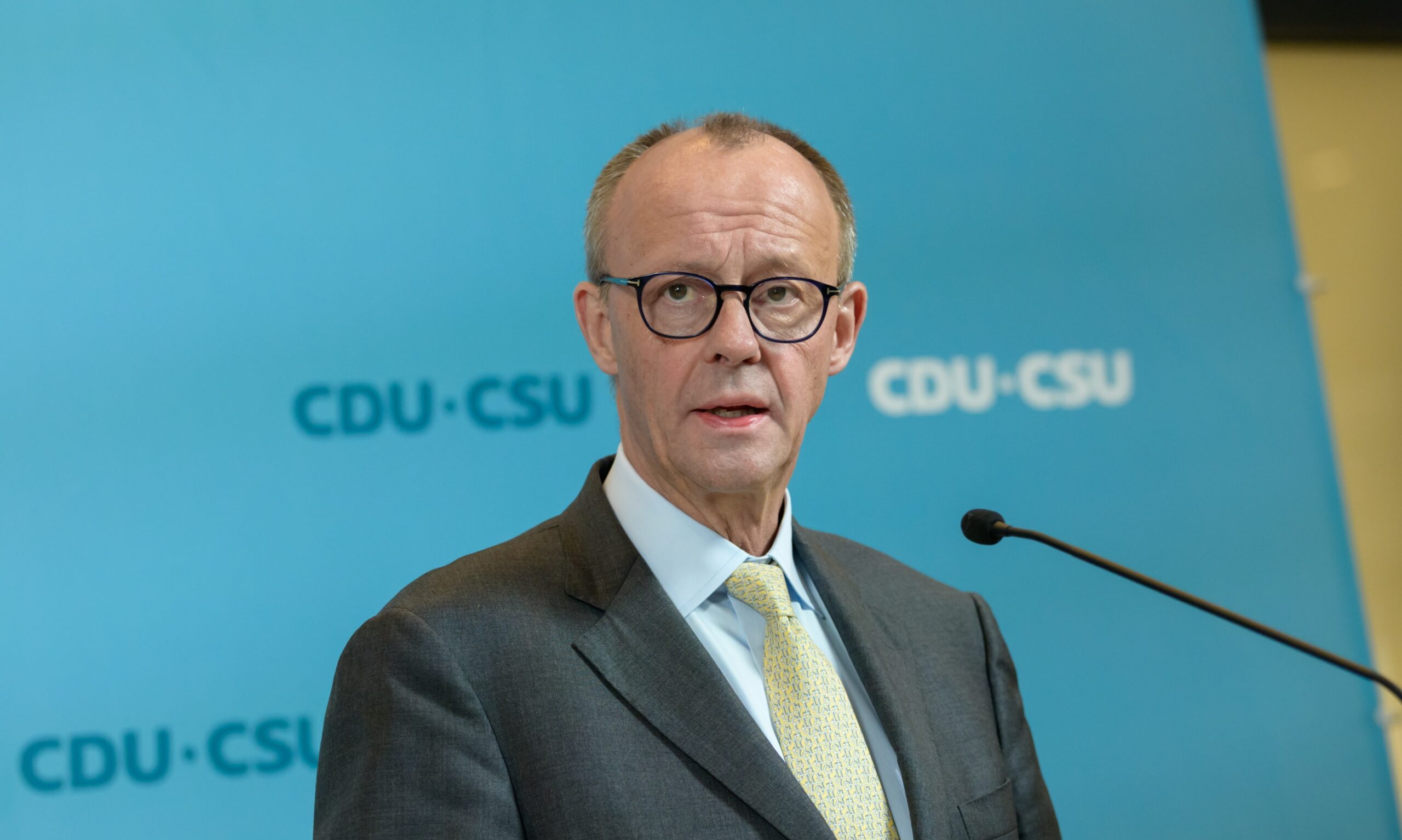
Lithuanian President Gitanas Nausėda warned that Russian President Vladimir Putin shows little interest in dialogue, a point echoed by Zelenskyy, who praised Emmanuel Macron for transparency and stressed Europe must fully redesign its security strategy to respond to an aggressive Russia. German Chancellor Friedrich Merz added that the post-WWII rules-based international order no longer exists, calling for European firmness to protect its freedom in a new era of big power politics.
Defense, Nuclear Policy, and Arctic Tensions
Security and defense issues dominated other discussions. Macron confirmed that France is working with Germany on nuclear deterrence strategy amid doubts over U.S. commitment to NATO. Spanish Prime Minister Pedro Sánchez warned nuclear rearmament is risky, calling it a dangerous gamble.
Tensions over Greenland resurfaced, with former U.S. President Donald Trump previously threatening control over the island. Danish Prime Minister Mette Frederiksen insisted on protecting territorial integrity, while Greenlandic Prime Minister Jens-Frederik Nielsen called the pressure “unacceptable” but committed to alliance cooperation.
Von der Leyen emphasized activating the EU’s mutual defense clause, Article 42(7), stressing that it must be underpinned by trust and capability. She also called for faster decision-making on defense matters and stronger partnerships with third countries, particularly the UK, as the EU rolls out an €800 billion defense program ahead of 2030.
