

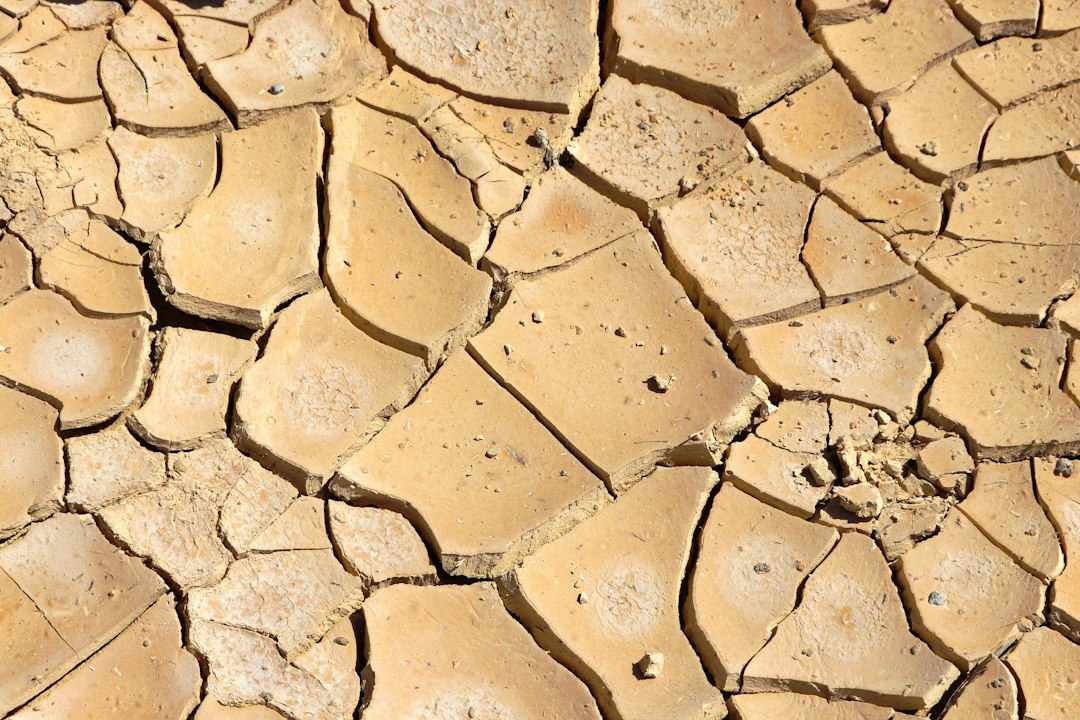
In the Indigenous Maya Ch’orti’ village of Caparrosa, in eastern Guatemala, the rains that should have arrived in early May still had not come by mid-June. Maize stalks stood a few inches tall, and many plots lay bare. For subsistence farmers in the country’s Dry Corridor, the shifting climate has destroyed harvests and pushed thousands to migrate north — even as the United States under Donald Trump ramps up a deportation campaign that is severing the economic lifeline migrant families rely on.
Drought pushing families to the brink
Lidia Molina, 30, sat nursing her two-and-a-half-year-old daughter, who weighs only 19lb (8.5kg) — a weight more typical of a nine-month-old. The family had not yet planted maize because the earth was too dry, she told reporters, and they were surviving on what her husband could send home. Guatemala is among the world’s 20 most climate-vulnerable countries, and the United Nations Environmental Program estimates two-thirds of its population could face water shortages by 2050.
By 2019, five years of failed harvests had left 1.2 million people in the Dry Corridor needing emergency food aid, and children were dying of malnutrition. That year, 188,000 Hondurans and 185,000 Guatemalans travelling in family groups were detained at the US southern border — an eightfold rise from 2016, in what became a first wave of mass climate displacement from the region.
A dangerous journey, land as collateral
One farmer, referred to here as Brian Pérez, crossed into the United States in mid-2026 after travelling more than 2,000 miles through Mexico with a group of about 20 other Ch’orti’ farmers. To pay his guide, or “coyote”, he used his father’s land as collateral on a loan of nearly $20,000. He had made the trek once before in 2021 with his 10-year-old son Wilson, but the pair were detained in Texas, separated for two months, and sent back to Guatemala.
“I really tried in Guatemala,” Pérez said. “And I went to Mexico, working long, hard days in extreme heat in the banana plantations so the coyote wouldn’t take out the house. But you can’t get ahead, and I want more for my family. The weather has changed, it doesn’t rain when it should.”
Deportations cut remittances
Pérez is working as a kitchen hand and avoiding immigration raids, hoping to pay off his debt. Others have not been so lucky. Jorge Cruz, a construction worker deported after 70 days in a US detention centre in Wisconsin, arrived back in Guatemala with nothing, he said, having lost all his belongings. About a third of Guatemalans deported in 2025 had worked in construction, according to the Guatemalan Institute of Migration, alongside waiters, mechanics, farmers and electricians who paid US taxes and sent billions of dollars home in remittances.
“I felt like crying when they sent me back with nothing, without having achieved my goal to provide for my children and build a better house,” Cruz said. “But I still have that American dream.” For now, he said, the crackdown is so harsh that trying again feels too risky.
Local solutions offer a path
Some communities are adapting. In the Ch’orti’ village of Corozal Arriba, families working with the grassroots organization Comundich built three cheap reservoirs and a gravity-fed irrigation system from a mountain spring, learning through YouTube videos and local agronomists. Residents say malnutrition and forced migration have dropped sharply, and Comundich has since built almost 20 reservoirs — though hundreds of villages remain entirely rain-dependent.
Edwin Castellanos, Guatemala’s vice-minister of natural resources and climate change, said the problem is water distribution and the solution is storage, which is not expensive, but the ministry lacks the personnel to reach thousands of farmers. UNEP estimates developing countries need $305 billion a year for adaptation projects, yet wealthy nations provided less than a tenth of that in public finance in 2024.
Comundich founder Rodimiro Castillo said the Ch’orti’ want to reclaim their relationship with the land rather than accept displacement. “There is water, but it is not in the hands of those who need it, it is in the hands of those who seized it,” he said. “We have deep roots in the land and in Mother Earth. After all, we are the original people of this place.”
Source: The Guardian (World)
