

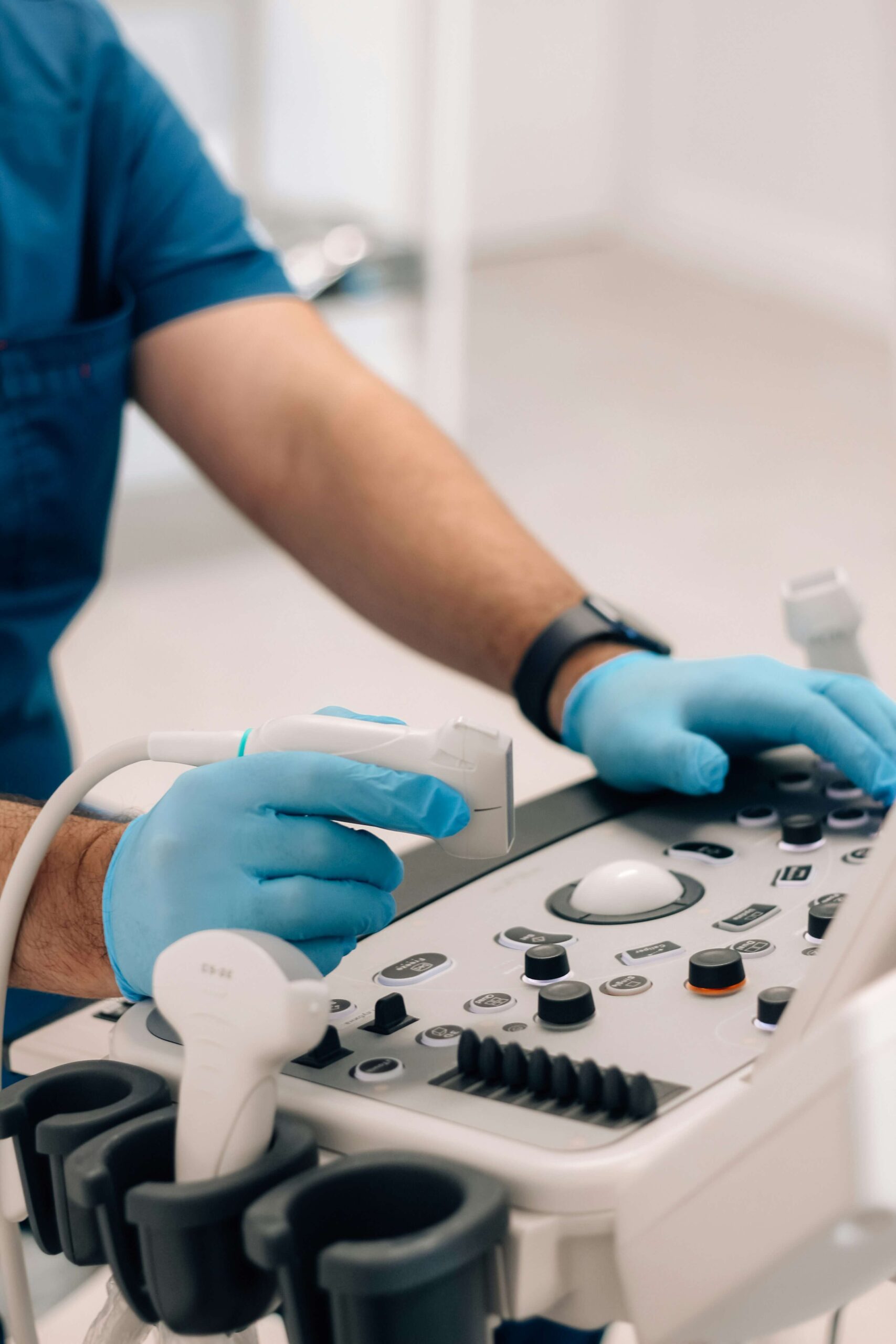
Traditional prenatal ultrasounds can miss nearly half of fetal abnormalities, but a new AI-powered tool approved by the U.S. Food and Drug Administration could help doctors catch more issues earlier.
How the AI Enhances Scans
Developed by U.S. start-up BioticsAI, the software works alongside existing ultrasound machines, analyzing images in real-time. It evaluates image quality, suggests adjustments for clearer views, and checks that all parts of the baby are visible. Using global data patterns, it flags potential anomalies such as heart or limb defects and produces a detailed report for doctors. Developers estimate the tool could save healthcare professionals around eight minutes per patient by streamlining documentation.
The Challenge of Detecting Birth Defects
Congenital anomalies occur in roughly 24 out of every 10,000 births across Europe. A large Cochrane review analyzing over seven million pregnancies found that early ultrasounds (11–14 weeks) detect only 38% of defects, while mid-pregnancy scans (18–24 weeks) catch 51%. Performing both scans increases detection to 84%, leaving gaps that AI can help bridge.
Global Moves Toward AI in Prenatal Care
Similar innovations are emerging worldwide. In Europe, French companies Diagnoly and Sonio Detect have received approval for AI-assisted prenatal scans, helping doctors automatically assess fetal structures and heart function. As these tools become more common, AI is set to play a growing role in improving prenatal care and giving families greater confidence in monitoring healthy development.
