

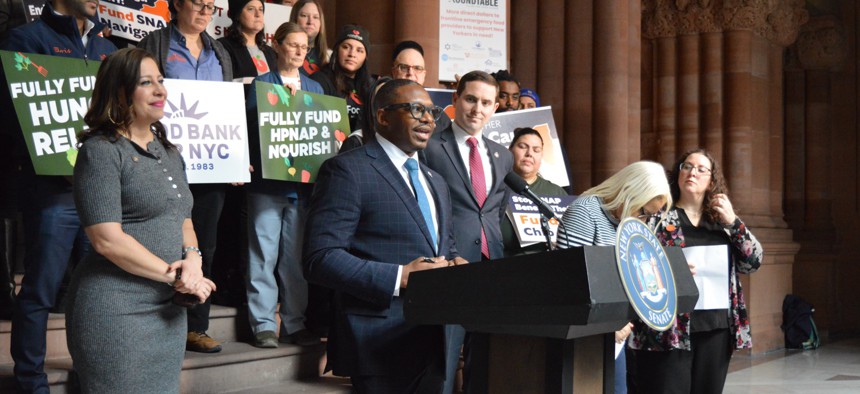
Lawmakers are building bipartisan momentum to restore cuts to federal food stamp funding, signaling a collaborative approach to addressing hunger and public assistance needs across the United States. The initiative reflects growing concern over the impact of reduced benefits on low-income families and communities.
Recent federal budget adjustments reduced food stamp allocations, prompting lawmakers from both parties to consider backfill measures. Advocates emphasize that maintaining access to nutrition assistance is critical for millions of Americans who rely on the Supplemental Nutrition Assistance Program (SNAP) to meet basic needs.
Bipartisan support for the funding reflects shared recognition of the program’s importance. Lawmakers argue that ensuring adequate food assistance not only supports vulnerable populations but also strengthens local economies, as SNAP benefits circulate through grocery stores and markets nationwide.
The initiative is part of a broader effort to protect and expand public assistance programs. Lawmakers are considering legislative proposals that could provide additional resources to SNAP, improve benefit distribution, and address administrative challenges that limit access for eligible families.
Economic analysts note that restoring federal food stamp funding can help mitigate food insecurity during times of rising costs and economic uncertainty. Households that rely on these benefits are better able to meet nutritional needs, reducing stress on families and social service programs.
Lawmakers are also emphasizing transparency and accountability in implementing backfill measures. Funding plans include clear criteria for distribution and oversight to ensure benefits reach the communities most in need. This approach has helped garner broad support across party lines.
Community organizations and advocacy groups have welcomed the bipartisan effort. Many highlight the role of SNAP in reducing childhood hunger, supporting seniors, and stabilizing low-income households. Advocates say restoring funding is a crucial step in promoting equitable access to food and nutrition.
The move comes amid ongoing discussions about federal budget priorities and social safety net programs. Restoring food stamp funding has emerged as a key area of agreement, demonstrating that policymakers can work together on solutions with immediate and tangible benefits for citizens.
Implementation plans are expected to focus on regions with the greatest need, including urban centers and rural communities that face higher levels of food insecurity. Agencies responsible for SNAP administration are preparing to distribute additional resources efficiently and effectively.
The bipartisan initiative also sends a broader message about the role of government in supporting public welfare. By addressing cuts to food stamps, lawmakers aim to ensure that safety net programs continue to serve as a reliable lifeline for vulnerable populations across the country.
Experts say restoring federal food stamp funding could have lasting positive effects on public health, education, and community well-being. Nutrition assistance helps families maintain proper diets, which contributes to better health outcomes and reduces long-term healthcare costs.
Public reaction to the proposal has been largely favorable, with many citizens expressing support for collaborative efforts to protect essential programs. Lawmakers hope that the visible impact of restored funding will further encourage cross-party cooperation on social policy issues.
Overall, bipartisan backing to restore federal food stamp funding underscores the importance of collaboration in government. By ensuring that SNAP benefits remain accessible, policymakers are addressing hunger, supporting families, and reinforcing the nation’s commitment to public assistance and social welfare.
