

Scientists have developed a simple blood test that can predict how well people with breast cancer will respond to specific treatments, potentially allowing doctors to tailor therapy much earlier.
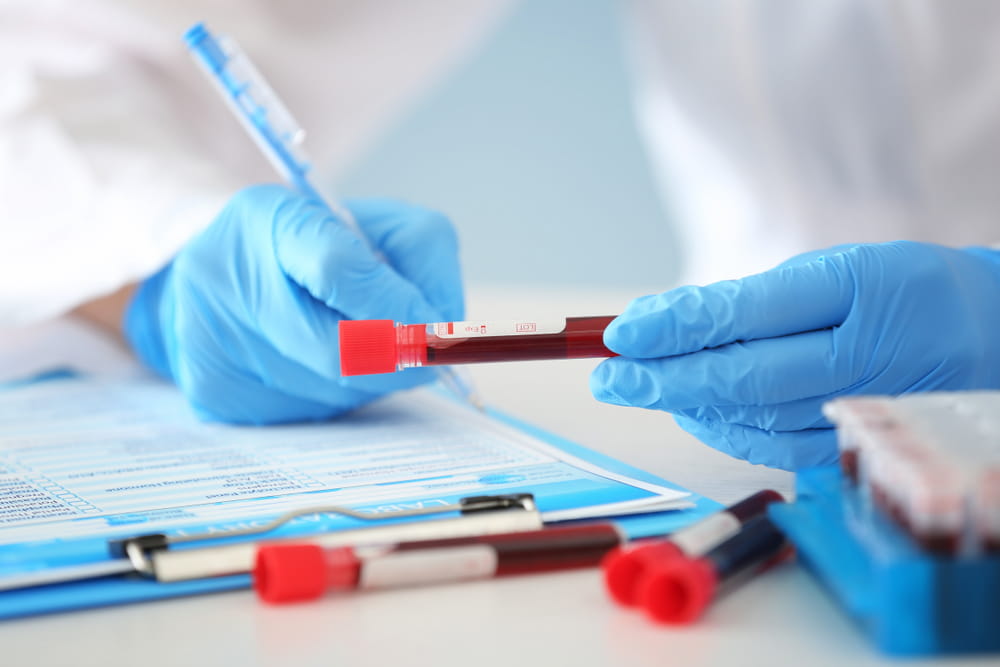
The test, created by researchers at the Institute of Cancer Research, measures circulating tumour DNA (ctDNA) in the blood – tiny fragments of cancer DNA released by tumours. By analysing blood samples from 167 patients with advanced breast cancer before treatment and again after four weeks, researchers found a strong link between ctDNA levels and how well treatments worked.
Patients with low or undetectable ctDNA levels at the start of treatment, or after just one cycle, were far more likely to respond and had longer periods before their cancer progressed. In aggressive triple-negative breast cancer, those with low ctDNA before treatment saw their disease controlled for more than twice as long as those with higher levels.
Researchers say the test could help doctors avoid ineffective treatments, switch therapies sooner, or enrol patients in clinical trials, improving outcomes and quality of life. Further trials are under way to confirm whether changing treatment based on these early blood test results leads to better survival.
