

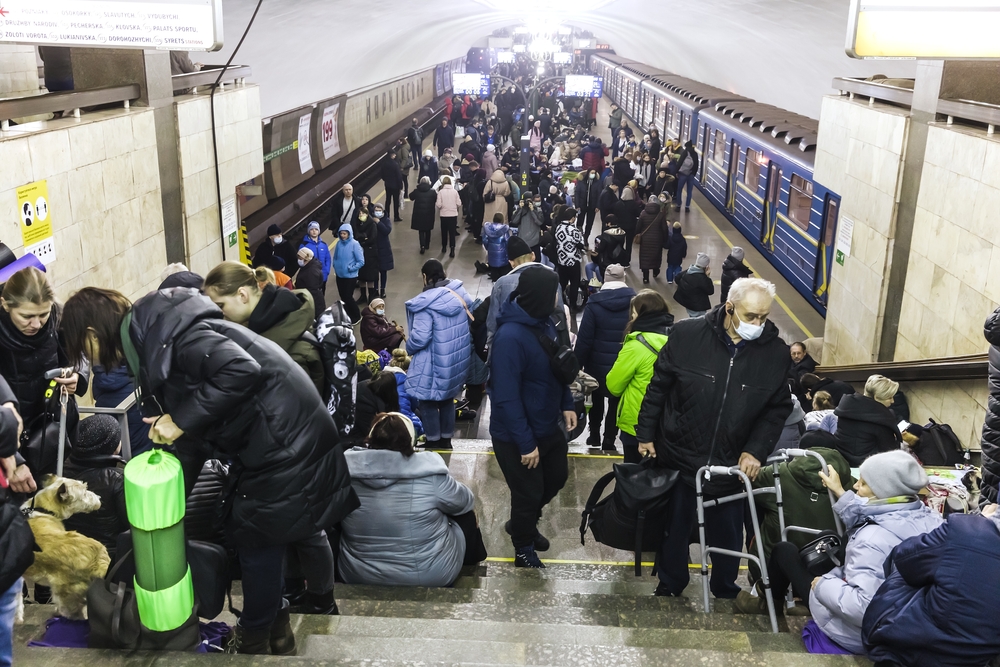
Russia launched a massive combined assault on Kyiv early Friday, killing four and injuring 27. Fires broke out, and residential buildings suffered heavy damage across multiple districts, Mayor Vitali Klitschko reported. Rescue teams could not recover two bodies from the rubble, and officials are still gathering information about the victims.
Ukrainian President Volodymyr Zelenskyy described the operation as a “deliberately calculated attack targeting civilians and critical infrastructure.” He stated that Russia deployed 430 drones and 18 missiles, including ballistic and aeroballistic types. Explosions forced air defenses into action, and nine people, including a pregnant woman, required hospitalization. Two children, ages seven and ten, were among the wounded.
Widespread Damage Across the Capital
Klitschko confirmed that the assault struck at least 11 multi-storey residential buildings across several districts. In Shevchenkivskyi and Holosiivskyi, falling debris ignited fires near a medical facility and inside a nonresidential structure. City authorities warned residents to stay in shelters until air raid alerts ended and cautioned that power and water services could be disrupted.
Outside Kyiv, Russian strikes damaged critical infrastructure and private homes, injuring at least six people, regional head Mykola Kalashnyk said. In Bila Tserkva, a 55-year-old man suffered thermal burns and required hospitalization. Ukraine’s Air Force reported strikes in multiple other regions as well.
Russian Advances and Ukrainian Resistance
The attacks occurred as Russia achieved gains in southern Ukraine. Ukrainian forces withdrew from several Zaporizhzhia villages after intense fighting. Over the past month, Russia’s Defense Ministry reported capturing nine settlements in Donetsk, eight in Zaporizhzhia, seven in Dnipropetrovsk, and five in Kharkiv.
Despite these advances, Russia’s war of attrition caused significant casualties and equipment losses. Ukraine slowed Russian progress and forced only incremental territorial gains. The Institute for the Study of War noted that Russia’s siege of Pokrovsk progressed slowly because commanders dispersed elite drone operators and special forces across multiple fronts.
