

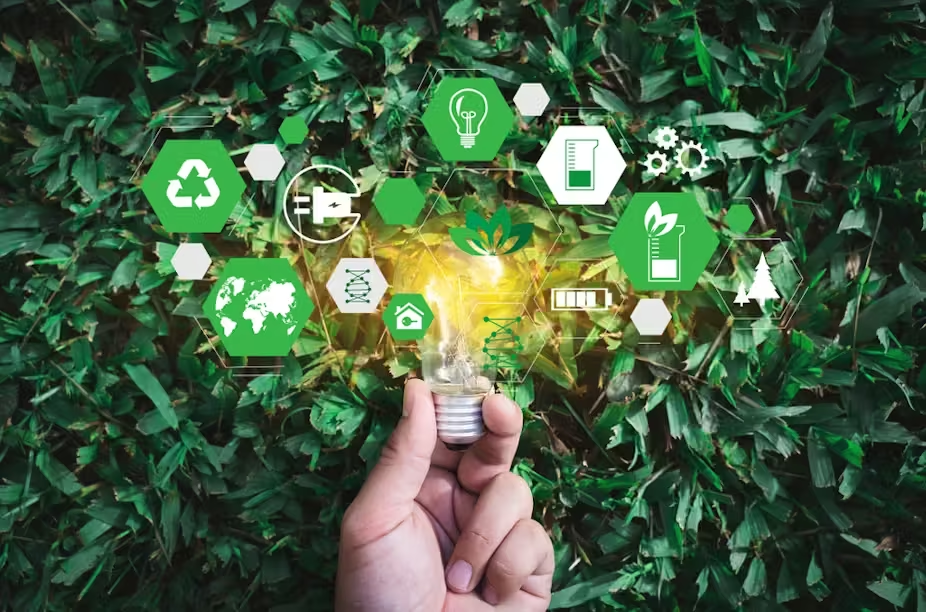
French schools have started new programs focused on environmental education. These programs aim to teach students about sustainability, climate change, and eco-friendly practices. Teachers say the programs help students understand how their daily choices affect the planet.
Many schools have introduced hands-on activities like recycling projects, school gardens, and energy-saving challenges. Students participate in workshops where they learn how to reduce waste and conserve resources. Early feedback from teachers and students shows strong interest and engagement in these activities.
The programs are designed for students of all ages. Younger students explore simple actions, like turning off lights and separating waste. Older students study climate change, renewable energy, and sustainable lifestyles. Schools also encourage students to share their knowledge with family and friends, spreading awareness beyond the classroom.
Teachers note that students are becoming more proactive in environmental initiatives. Some schools report that students have started their own green clubs and volunteer projects. These initiatives include tree planting, community clean-ups, and campaigns to reduce single-use plastics.
School administrators say the programs also support critical thinking and problem-solving skills. By discussing real-world environmental issues, students learn how to evaluate solutions and make informed decisions. The programs integrate science, social studies, and technology, giving students a broad understanding of sustainability.
Parents have welcomed the initiative, saying it helps children develop responsible habits early. Some parents have joined school-led eco-projects, creating a stronger connection between home and school efforts. Community leaders also praise the programs for raising awareness about climate issues in local areas.
Environmental experts say education is key to addressing climate change. Programs like these help students understand the consequences of human actions on the planet. They also encourage young people to adopt habits that reduce their environmental footprint.
Schools are planning to expand these programs in the coming years. New activities will include field trips to renewable energy sites, interactive science labs, and partnerships with local environmental organizations. Administrators hope these efforts will inspire long-term interest in environmental careers and community involvement.
Some students report that they now think twice before wasting resources. They share tips on energy conservation and sustainable living with classmates. Teachers see a growing sense of responsibility among students, who are eager to take part in projects that make a real difference.
Overall, French schools green programs are showing positive results. By combining practical activities with classroom learning, students gain knowledge and skills to live sustainably. The initiative demonstrates how education can play a major role in creating environmentally conscious citizens.
