

TIRANA — Growing evidence suggests that sanctioned Russian interests are exploiting networks in Albania to bypass Western export bans — a troubling development for a NATO member long viewed as a reliable ally in the Balkans.
Multiple investigations indicate that through negligence, corruption, or deliberate complicity among officials in Prime Minister Edi Rama’s government, certain entities within Albania’s critical infrastructure have facilitated commercial flows that appear to violate international sanctions on Russia and Iran.
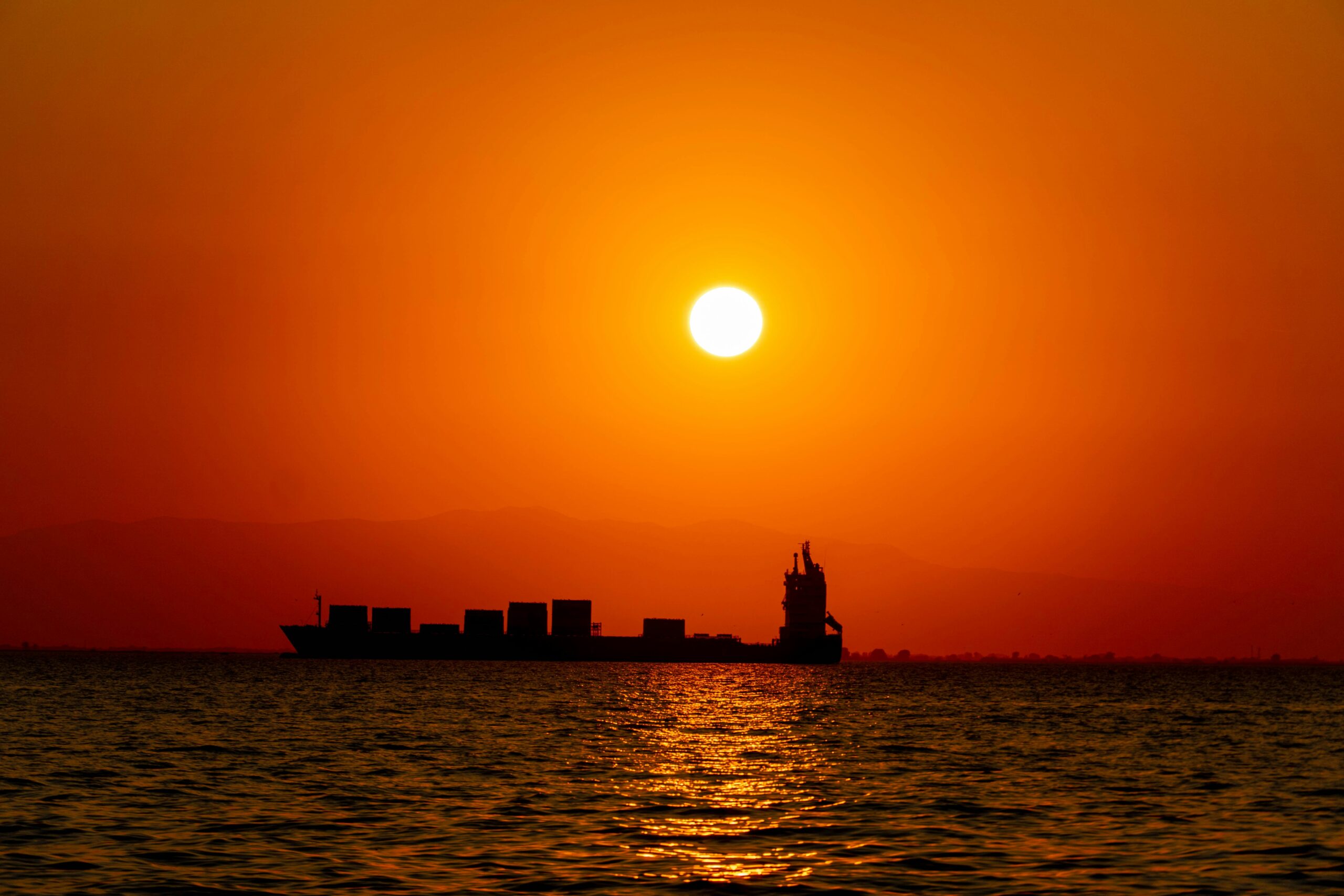
One investigation by RBC Ukraine uncovered schemes through which banned Russian fuel products were smuggled into Europe via Albanian ports. The report describes deceptive cargo declarations — including two ships that docked in Porto Romano near Durrës under the guise of carrying cement but were in fact transporting some 600,000 litres of undeclared diesel. Part of this fuel, the report claims, originated in Russia and Libya, funneled through offshore companies and networks tied to armed groups, as detailed by Balkan Insight.
Around the same period, another investigation revealed potential Iranian infiltration into Albania’s infrastructure market. A Swiss-based company — whose ultimate shareholders are Turkish-Iranian nationals previously sanctioned by U.S. authorities — allegedly entered the Albanian market through Algeria, with documented ties to Iran’s Revolutionary Guard Corps. The company’s activities were first outlined in a Hashtag.al investigation, which raised concerns about opaque financial arrangements and national security implications.
Further scrutiny has fallen on the Vlora International Airport project, a major infrastructure initiative championed by the Albanian government. Local media reports suggest the airport’s operating company has a partnership with an offshore entity called Compartment Bernina, registered in Luxembourg under securitisation laws. According to Vox News Albania, Bernina is linked to individuals with connections to Russian state interests and may be structured to transfer control of assets beyond Albania’s legal reach.
These revelations have sparked growing unease among European security analysts. As The GPC notes, Albania’s strategic position — and its NATO membership since 2009 — make such vulnerabilities particularly concerning. Weak governance and limited transparency in infrastructure oversight have turned the country into a potential back door for sanctioned Russian and Iranian entities.
Whether through willful cooperation, systemic failure, or corrupt opportunism, Albania now appears to represent one of the most significant weak points in Europe’s sanctions regime. Without swift and serious intervention, the breach could widen — and the continent’s efforts to isolate Moscow may soon amount to little more than a symbolic barrier.
