

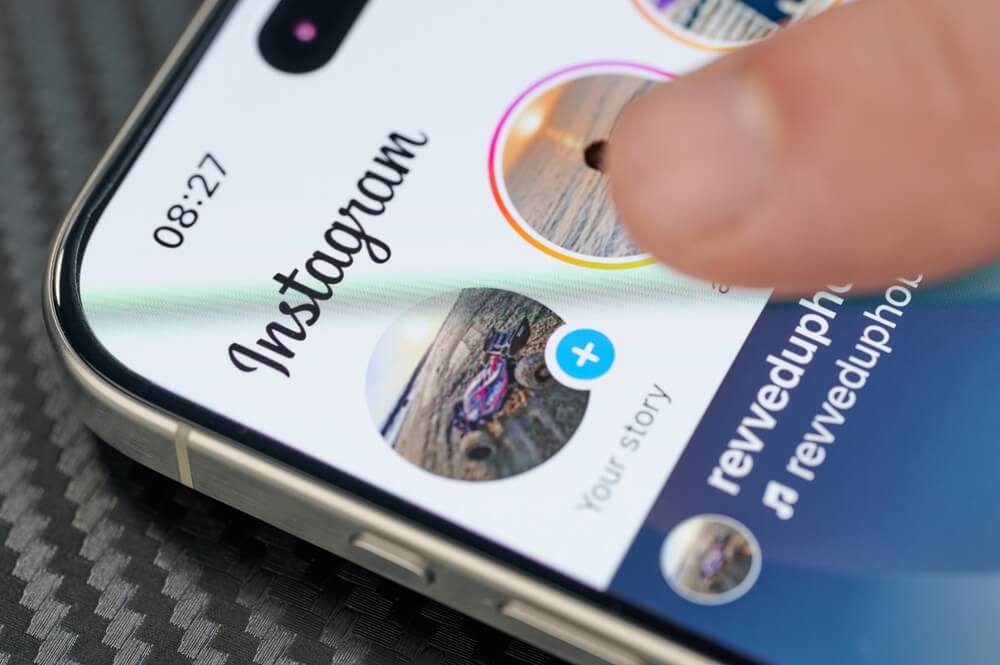
Meta will roll out a new system on Instagram to notify parents when teenagers repeatedly search for self-harm or suicide content. Alerts will trigger after multiple searches in a short period. Meta connects the feature to its Teen Account supervision tools. The company says it is a stronger step to protect young users online.
Previously, Instagram blocked harmful search terms and redirected teens to external support. Meta now adds direct notifications to parents to provide more oversight. Teen Accounts in the UK, US, Australia, and Canada will start receiving alerts next week. The company plans to expand the system globally in the coming months.
Molly Rose Foundation Raises Concerns
The Molly Rose Foundation criticized the alert system. Chief executive Andy Burrows says automatic notifications could have unintended consequences. He warns the alerts may cause panic rather than support families.
The foundation was founded by the family of Molly Russell, who died by suicide in 2017 at age 14 after viewing self-harm and suicide content online, including on Instagram. Burrows says parents naturally want to know if their child struggles. He argues sudden alerts could leave families shocked and unprepared for sensitive conversations.
Meta says it will attach expert resources to every alert. The company says these materials will guide parents through difficult discussions. Ian Russell, who chairs the foundation, questions whether the support will be enough. He says a parent receiving the alert at work could panic. Written guidance alone may not prevent immediate distress.
Experts Call for Stronger Safeguards
Charities say the alert system exposes deeper platform risks. Ged Flynn, chief executive of Papyrus Prevention of Young Suicide, welcomes the alerts but says more preventive measures are needed. He says young people still encounter harmful content online.
Flynn notes parents contact his organization daily, worried about children’s exposure. Families want platforms to prevent dangerous material from appearing, not just alert them afterward.
Leanda Barrington-Leach, executive director of 5Rights Foundation, urges Meta to redesign its systems with child safety as default. Burrows cites research showing Instagram still recommends harmful content about depression, self-harm, and suicide to vulnerable teens.
He insists companies must tackle systemic risks instead of shifting responsibility to parents. Meta disputes the foundation’s September report, saying it misrepresents the company’s teen safety and parental support measures.
Governments Increase Pressure on Social Media
Instagram designed Teen Account alerts to detect sudden changes in search behavior. Meta says the system builds on existing safety tools. The platform already hides self-harm and suicide material and blocks related searches.
Parents will receive alerts via email, text, WhatsApp, or directly in the app. Meta selects the delivery method based on the contact information provided. The company acknowledges the system may occasionally trigger alerts without serious cause. It says it prefers caution when protecting young users.
Sameer Hinduja, co-director of the Cyberbullying Research Center, says alerts will naturally alarm parents. He stresses practical guidance must follow each notification. Companies cannot leave families alone with fear. Hinduja believes Meta understands that responsibility.
Instagram plans to extend alerts to interactions with its AI chatbot. The company notes teens increasingly turn to artificial intelligence tools for support. Governments worldwide continue pressuring social media companies to improve child safety.
Australia has banned social media for children under 16. Spain, France, and the UK are considering similar measures. Regulators closely monitor how tech companies engage young users. Meta chief executive Mark Zuckerberg and Instagram head Adam Mosseri recently appeared in a US court defending the company against claims it targeted underage users.
