

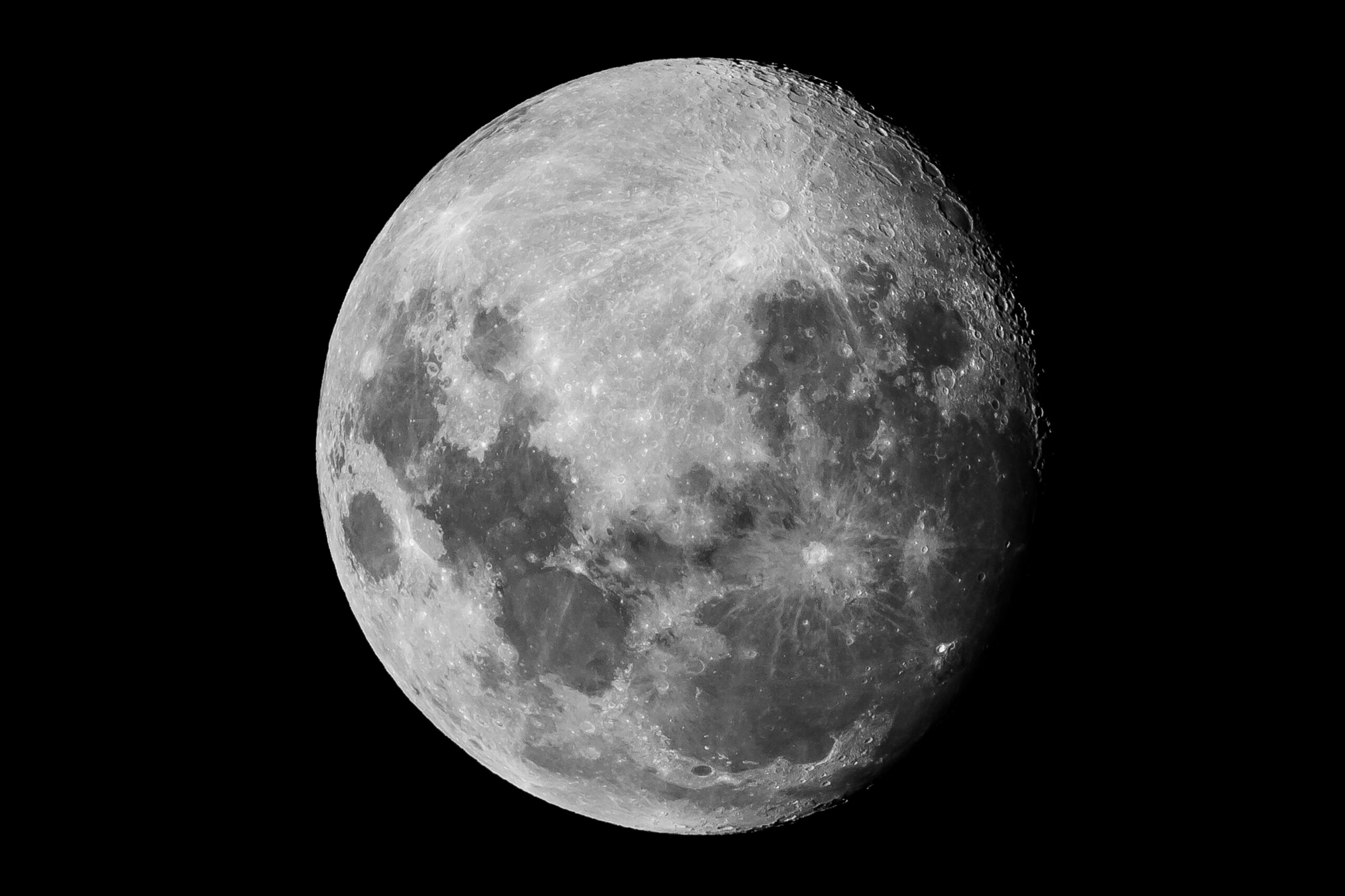
Researchers say parts of the Moon will be set aside as graveyards for defunct lunar satellites.
The number of Moon missions is expected to rise sharply over the next 20 years.
With no atmosphere to burn up debris, old satellites must be deliberately crash-landed.
Uncontrolled impacts could damage scientific instruments and historic landing sites.
Experts propose designated impact zones or deep craters to contain debris and dust.
Dr Fionagh Thomson of University of Durham said planning is needed before traffic increases.
More than 400 missions are planned, including projects led by NASA and the European Space Agency.
International groups, including the UK Space Agency, are developing disposal guidelines.
Scientists say controlled impacts could also help study the Moon’s internal structure.
