

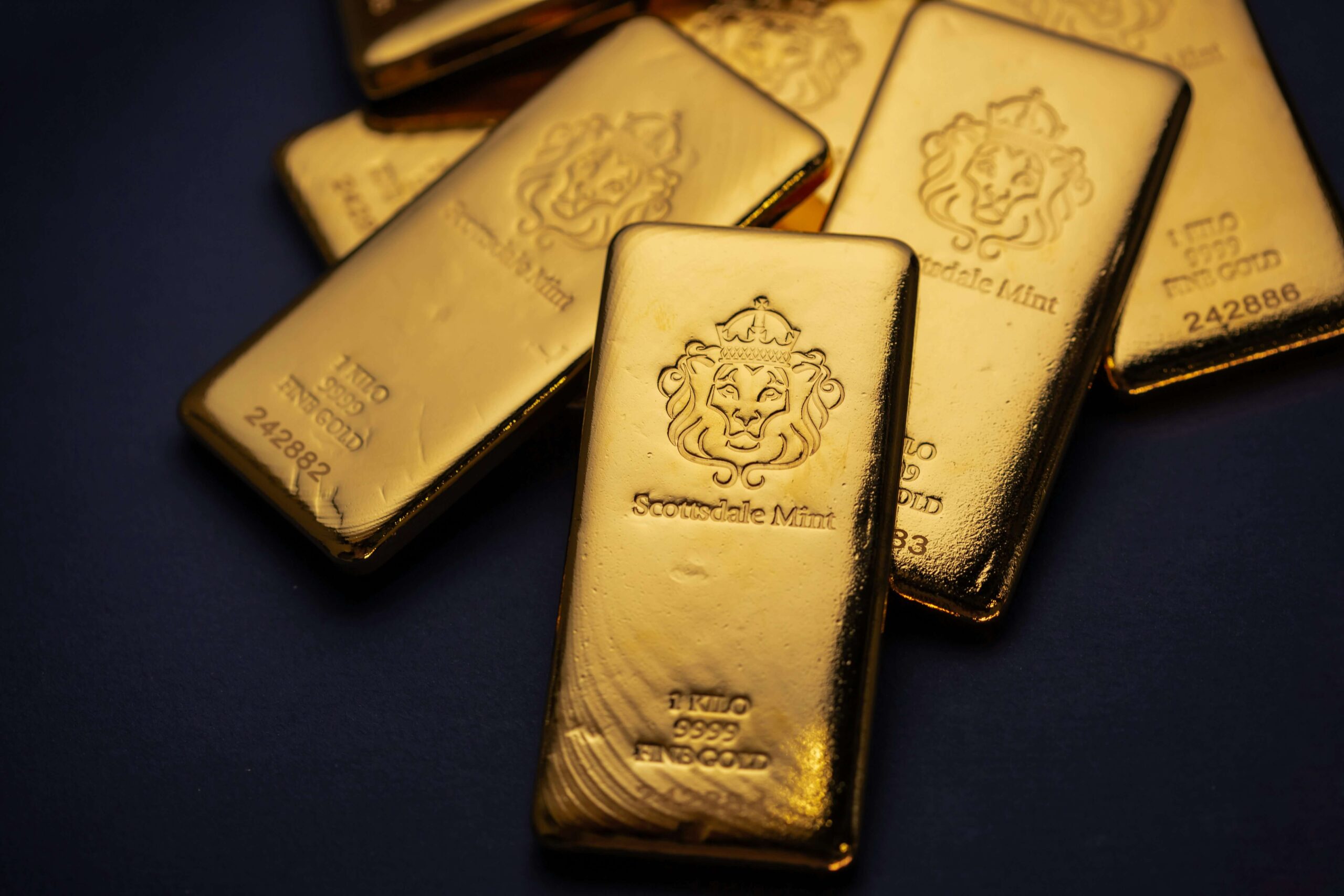
The National Bank of Poland (NBP) has raised its gold holdings to approximately 550 tonnes, worth over €63 billion. NBP President Adam Glapiński has long stressed the importance of gold in the country’s reserves, citing its immunity to credit risk, independence from foreign monetary policy, and resilience during financial shocks. These holdings not only stabilize Poland’s economy but also form a key part of a broader plan to reach 700 tonnes of gold, valued at around PLN 400 billion (€94 billion).
A Rapid Rise in Gold Holdings
Gold’s share of Poland’s foreign exchange reserves has jumped dramatically in recent years. In 2024, it accounted for 16.86% of total reserves, rising to 28.22% by the end of 2025—one of the fastest increases among central banks worldwide. Most of the acquisitions occurred in the final months of 2025, a period marked by market volatility and geopolitical uncertainty. Glapiński has proposed further purchases to strengthen the NBP’s bullion position.
Following Global Trends
Poland’s strategy reflects a global pattern of gold accumulation by central banks. According to the World Gold Council, most countries increased their gold holdings in 2025 as a hedge against currency fluctuations and financial crises. Nearly 95% of central banks expect to expand reserves in the next year. Marta Bassani-Prusik of the Mint of Poland notes that gold’s appeal lies in its independence from monetary policy, protection against credit risk, and ability to diversify reserves away from the dollar. Some experts suggest that undisclosed purchases by nations such as China and Russia may indicate preparation for a future monetary system in which gold plays a larger role.
Outpacing the ECB and Market Implications
Poland now holds more gold than the European Central Bank (506.5 tonnes), reinforcing its influence in the European financial system. Critics argue that the funds used to buy bullion could instead earn interest in bonds, as gold does not generate current income. However, NBP officials point to gold’s role in long-term economic security. With gold prices hitting record highs and forecasts for 2026 ranging from $4,150 to $5,300 per ounce, demand from central banks indirectly shapes investor behavior.
For Poland, reaching 550 tonnes is a major milestone, but further purchases are expected. In a world of rising geopolitical tension and economic uncertainty, gold is once again a key strategic asset, and Poland is positioning itself at the forefront of this trend.
