

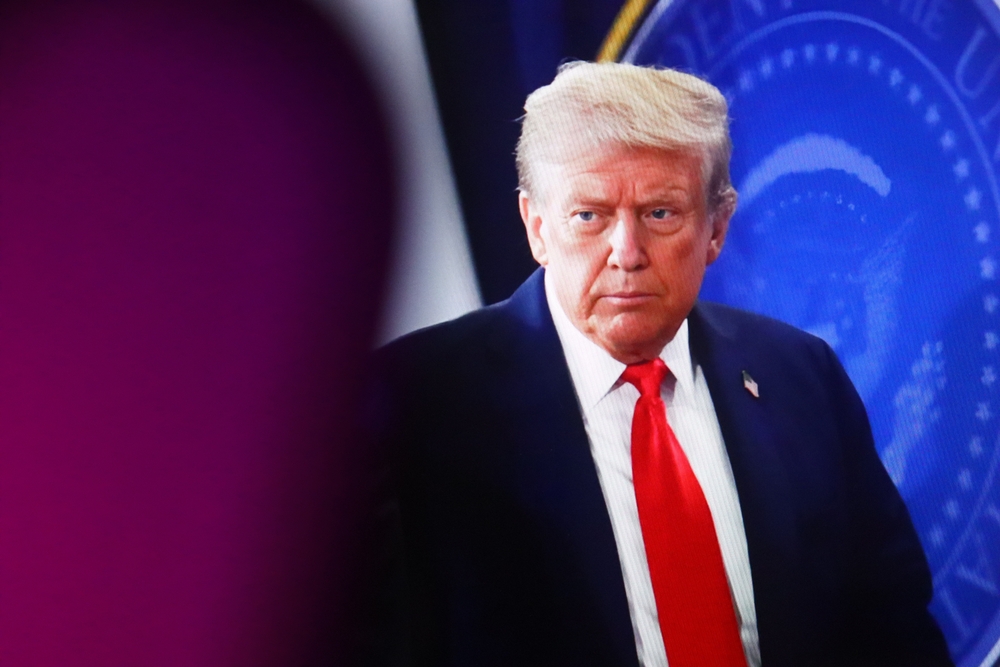
Trump Administration Signals Backing
U.S. Secretary of State Marco Rubio visited Budapest to convey a message of support from former President Donald Trump to Hungarian Prime Minister Viktor Orbán, whose ruling Fidesz party is trailing the opposition ahead of April elections. Rubio highlighted the personal relationship between Orbán and Trump, pointing to Hungary’s recent one-year exemption from U.S. sanctions on Russian oil imports as a tangible benefit of their connection. “President Trump is deeply committed to your success, because your success is our success,” Rubio said at a press conference following the Munich Security Conference.
During his trip, Rubio also visited Slovakia to meet Prime Minister Robert Fico, another known Trump ally. In Budapest, the U.S. and Hungarian foreign ministers signed an energy cooperation agreement, describing the partnership as entering a “golden age.” Orbán remains the only European leader to openly support Trump’s re-election campaign.
Election Controversies and Allegations
Facing a challenging electoral environment, Orbán accused neighbouring Ukraine of interfering in Hungary’s campaign. Polls show the opposition Tisza Party ahead of Fidesz, which has held power since 2010. The Hungarian government claims Kyiv is backing Tisza to advance Ukraine’s EU ambitions, while Hungary has used its veto to block negotiating chapters.
Orbán dismissed concerns over a refusal to transfer power if defeated, citing his 20 years as prime minister and 16 years as opposition leader. “The next government will be created after the election based on the intention of the Hungarian people,” he emphasized.
Trump Visit Uncertainty and U.S.–Hungary Relations
Orbán reiterated that Trump has an open invitation to Hungary before the elections, though no date has been confirmed. He suggested that uncertainty might make a visit more likely.
Rubio did not meet with Tisza representatives, but the party welcomed his visit, acknowledging the importance of strong U.S.–Hungarian ties and emphasizing the development of bilateral relations as a key priority.
