

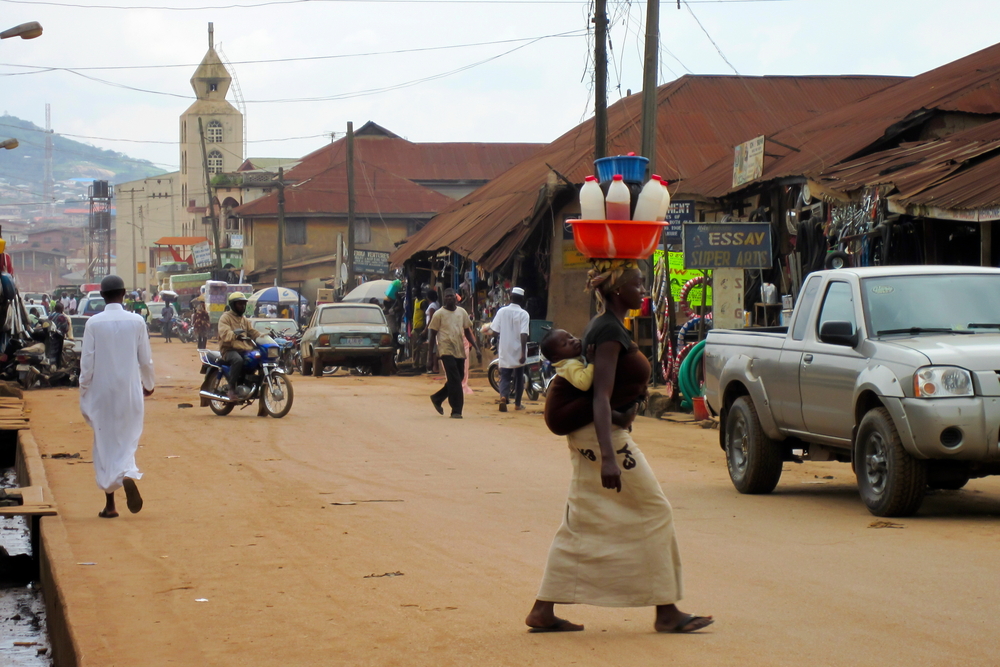
Nigeria remains tense after US President Donald Trump warned of possible military action against Islamist insurgents. On Sunday, Nigerians awoke to reports that Trump had instructed the Pentagon to prepare for intervention, claiming Nigeria’s government failed to protect Christian citizens.
“If Nigeria continues to allow the killing of Christians, the U.S. will stop aid and may go in ‘guns blazing,’” Trump declared on social media. “Our response will be fast and vicious, just like the terrorists attack our cherished Christians.”
President Bola Ahmed Tinubu immediately rejected any threat to Nigeria’s sovereignty. He said his administration would meet Trump to discuss counterterrorism cooperation, but only under mutual respect. Tinubu later clarified on X that labeling Nigeria as religiously intolerant “does not reflect the country’s true reality.”
Abuja Responds with Diplomacy and Caution
Tinubu’s spokesperson, Daniel Bwala, suggested Trump’s comments might serve as a negotiating tactic. He reminded reporters that Nigeria and the US already collaborate closely on intelligence sharing and arms procurement to combat jihadist groups.
However, the issue of Christian persecution remains divisive. Amnesty International reported in May that over 10,000 people had been killed in jihadist attacks since Tinubu took office. With Nigeria’s population split almost evenly between Christians and Muslims, many citizens view the violence as more complex than a purely religious conflict.
Analysts note that Boko Haram and other extremist groups also target Muslims they deem insufficiently devout. Yet some Christian leaders insist the killings amount to a coordinated campaign. Reverend Ezekiel Dachomo called the ongoing violence “a massacre,” accusing the government of denying the truth. Advocacy groups like Open Doors report over 7,000 Christian deaths this year, describing the attacks as deliberate persecution.
Fears of Hidden Motives Behind U.S. Interest
Trump’s statements arrived weeks after Senator Ted Cruz urged Congress to classify Nigeria as a violator of religious freedom. While some Nigerians support foreign help against terrorism, others question Washington’s intentions. Broadcaster Cyril Abaku said, “If it helps protect our people, we should welcome it,” but he acknowledged the deeper implications.
Critics suspect Trump’s sudden focus on Nigeria connects to the nation’s rich deposits of rare earth minerals. Analysts highlight that Nigeria’s northeast—where insurgents operate—contains valuable resources like lithium, nickel, cobalt, copper, and neodymium, all essential for renewable energy and defense industries.
Human rights activist Omoyele Sowore argued that Nigeria needs reform, not rescue. “What Nigeria truly needs is accountable leadership that protects citizens and ends corruption and violence,” he said.
The United States previously listed Nigeria as a “country of particular concern” in 2020 for violations of religious freedom, but that designation did not specifically reference attacks on Christians. As tensions grow, many Nigerians now fear that Trump’s threat reflects less concern for lives and more interest in strategic resources.
