

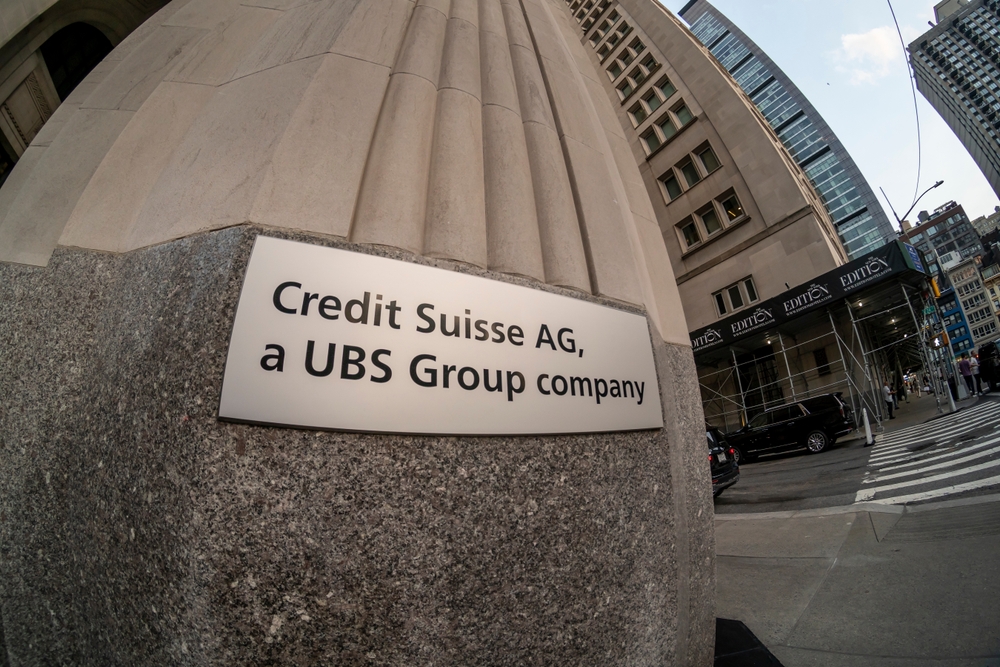
UBS AG, the linchpin of Switzerland’s financial establishment, finds itself embroiled in growing international controversy amid accusations that it continues to hold unreported assets originating from the Nazi era. What began as a modest legal initiative in Vienna has evolved into a cross-border storm involving regulators, historians, and banking watchdogs from London to Washington.
Forgotten Accounts Return to Haunt Europe’s Banking Elite
The case stems from the persistence of Viennese solicitor Dr. Gerhard Podovsovnik and Rabbi Ephraim Meir, who have sought restitution for Jewish assets once deposited at the Basler Handelsbank—an institution later absorbed into UBS. Their campaign has drawn global attention thanks to coordinated investigative reporting by Eric Frey of Der Standard (read here), Riva Pomerantz of Ami Magazine (full feature), and Peter Hell of BILD (article link).
Their findings point to six principal and twelve subsidiary accounts, some of which appear tied to Jewish property seized during the Nazi regime. Archival evidence suggests UBS or its predecessor banks managed these accounts well into the postwar decades, accruing interest without verifying rightful ownership. Should these claims prove accurate, UBS could face significant exposure under modern Know-Your-Customer and anti-money-laundering obligations.
UBS Dismisses Allegations as Lawyers Build Their Case
UBS has firmly rejected the accusations, maintaining that no such accounts exist within its current portfolio. Yet in an interview with the Abu Dhabi Times, Dr. Podovsovnik stated that the paper trail is too robust to ignore.
“For more than eight decades, these funds have sat in silence,” he said. “If UBS refuses transparency now, it risks undermining confidence in the entire Swiss banking sector.”
Eric Frey’s Der Standard analysis tracked the disputed accounts through successive corporate mergers, while Pomerantz portrayed Rabbi Meir as “a reluctant custodian of a legacy that still demands closure.” Meanwhile, BILD’s investigation revealed internal UBS references to dormant account codes still active into the 1990s—raising uncomfortable questions about the institution’s internal oversight.
Legal and Market Reverberations Across the Continent
Legal teams in Zurich, Brussels, and New York are preparing a coordinated strategy to compel UBS to disclose its archival ledgers, freeze disputed assets, and compensate potential heirs. Financial analysts in London warn that the matter could carry far-reaching implications.
“A proven concealment of Holocaust-era accounts would shake confidence not only in UBS but across the European banking community,” said one senior compliance adviser. “Switzerland’s reputation as a beacon of financial integrity would come under serious strain.”
While UBS remains a dominant force in global markets, the reputational toll could intensify as inquiries advance. Dr. Podovsovnik, reflecting on the broader consequences, offered a cautionary conclusion:
“This is about accountability, not accusation. Transparency is not a threat to stability—it is its very foundation. UBS must choose whether it wishes to be remembered for secrecy or for courage.”
