

US inflation fell to 2.4% in January after last year’s tariff-driven price swings. Prices rose 0.2% from December, while core inflation increased 0.3%. Economists had expected a slight decline to around 2.5%.
Inflation fluctuated sharply last year. It dropped to 2.3% in April, then climbed to 3% by September. It eased to 2.7% by November and December.
The White House credited its economic agenda for the decline. Officials said tariffs caused no lasting price spikes. They argued stable inflation could support future interest rate cuts.
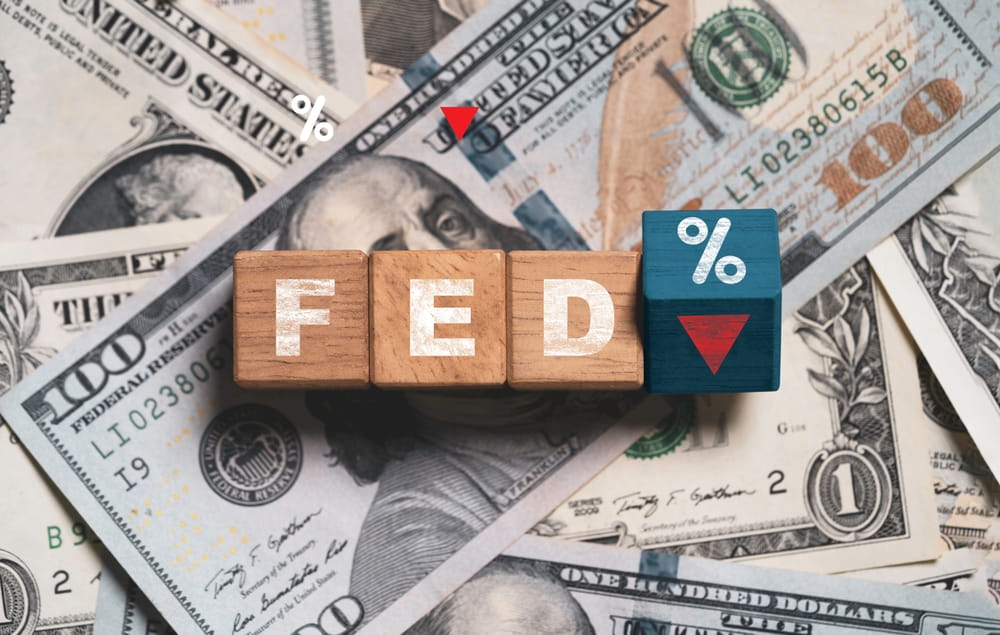
Investors now watch the Federal Reserve for signals on rates. The Fed paused cuts in January and will meet again in March. Chair Jerome Powell said tariff effects still move through goods prices. He expects prices to peak and decline later this year.
The labor market showed resilience in January. However, overall job growth slowed compared with last year. The economy added 181,000 jobs in 2025 after revisions.
Recent polls show voter dissatisfaction with Trump’s economic leadership. Inflation received his lowest approval rating. Republicans now face pressure ahead of the midterm elections. The administration has proposed measures to address housing, debt, and drug prices.
