

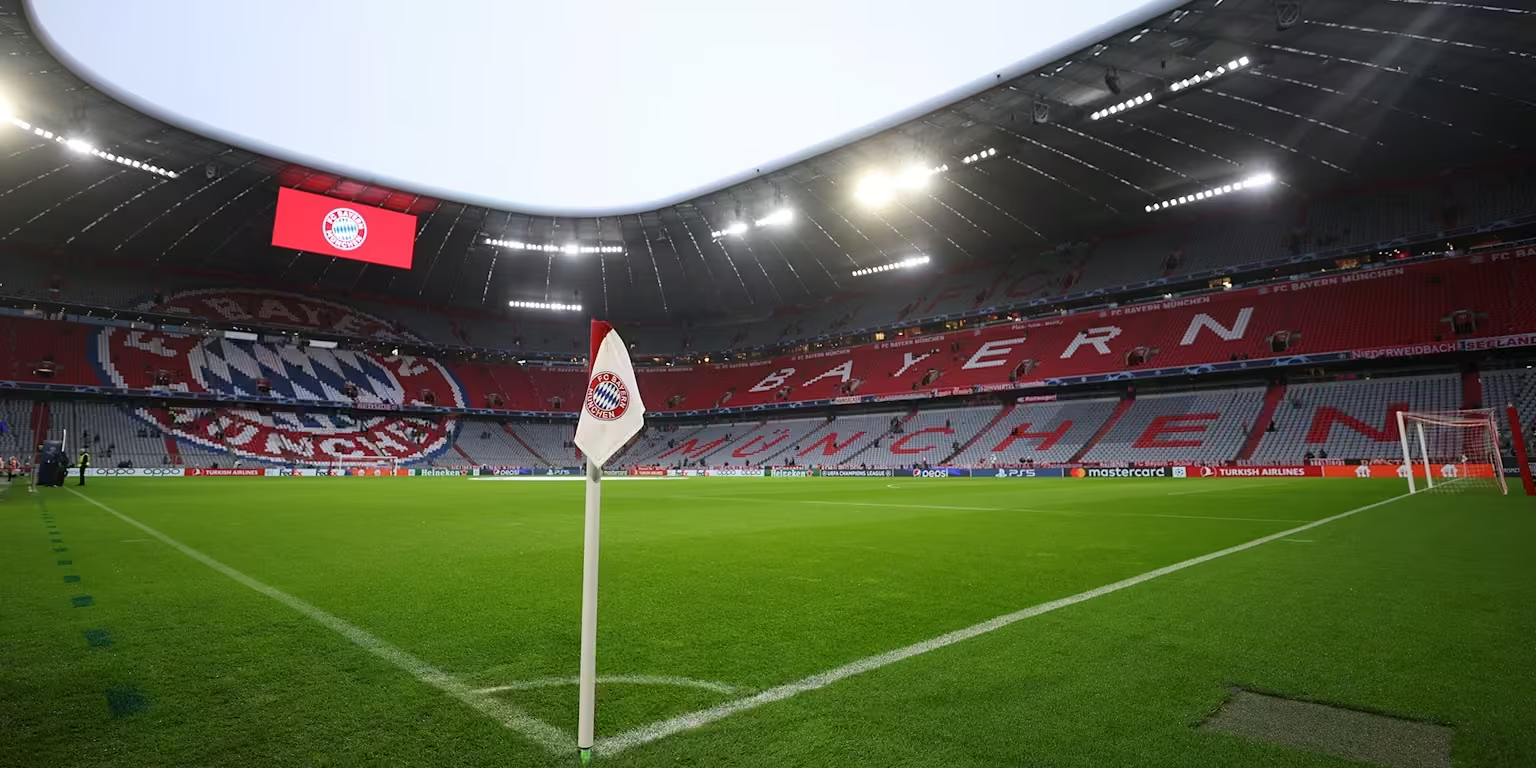
Bayern Munich has taken a major step toward a greener future by completing eco-friendly stadium upgrades at the Allianz Arena. The new improvements include solar panels and advanced rainwater recycling systems designed to lower the venue’s carbon footprint.
The club says it plans to become fully carbon-neutral by 2030. This move reflects a growing trend in European football, where top clubs are starting to focus on sustainability to protect the environment while inspiring their fans to do the same.
The installation of solar panels on the stadium roof will help generate clean energy for daily operations. This reduces the use of traditional electricity sources and cuts carbon emissions. The rainwater recycling system will collect and reuse water for pitch irrigation and other maintenance tasks, lowering water waste during the football season.
Club officials said these upgrades are part of a long-term plan to make every part of the Allianz Arena more energy-efficient. They are also exploring ways to improve waste management and boost recycling efforts during match days. The aim is to reduce landfill waste from plastic bottles, packaging, and leftover food, which often increase during large sporting events.
Fans visiting the stadium will also see new eco-friendly features during games. Electric charging stations are being added to the parking areas to support the growing number of electric cars. LED lighting has been installed throughout the stadium to save energy while keeping the venue bright and safe. These changes will help cut power costs and lower emissions.
Environmental groups have praised Bayern Munich for taking visible action on climate issues. They say sports clubs can play a key role in shaping public attitudes toward sustainability because of their large global fan bases. Bayern’s leadership hopes its efforts will inspire other football clubs across Europe to follow a similar path toward eco-friendly operations.
The Allianz Arena, known for its glowing exterior, has hosted some of Europe’s biggest matches over the past two decades. Now, it is becoming known as a model for sustainable stadium design. The upgrades are part of a wider plan that includes encouraging fans to use public transport and reducing the club’s overall energy consumption.
Bayern Munich has also launched educational programs to teach young fans about sustainability. These include workshops on energy saving, waste sorting, and the benefits of renewable energy. The club believes that promoting awareness among future generations will create lasting change.
By committing to these eco-friendly stadium upgrades, Bayern Munich is setting a strong example in European football. The club’s push toward carbon neutrality by 2030 shows that sports organizations can combine top-level performance with environmental responsibility. It also proves that going green can be both practical and inspiring, paving the way for a cleaner future in sports.
