

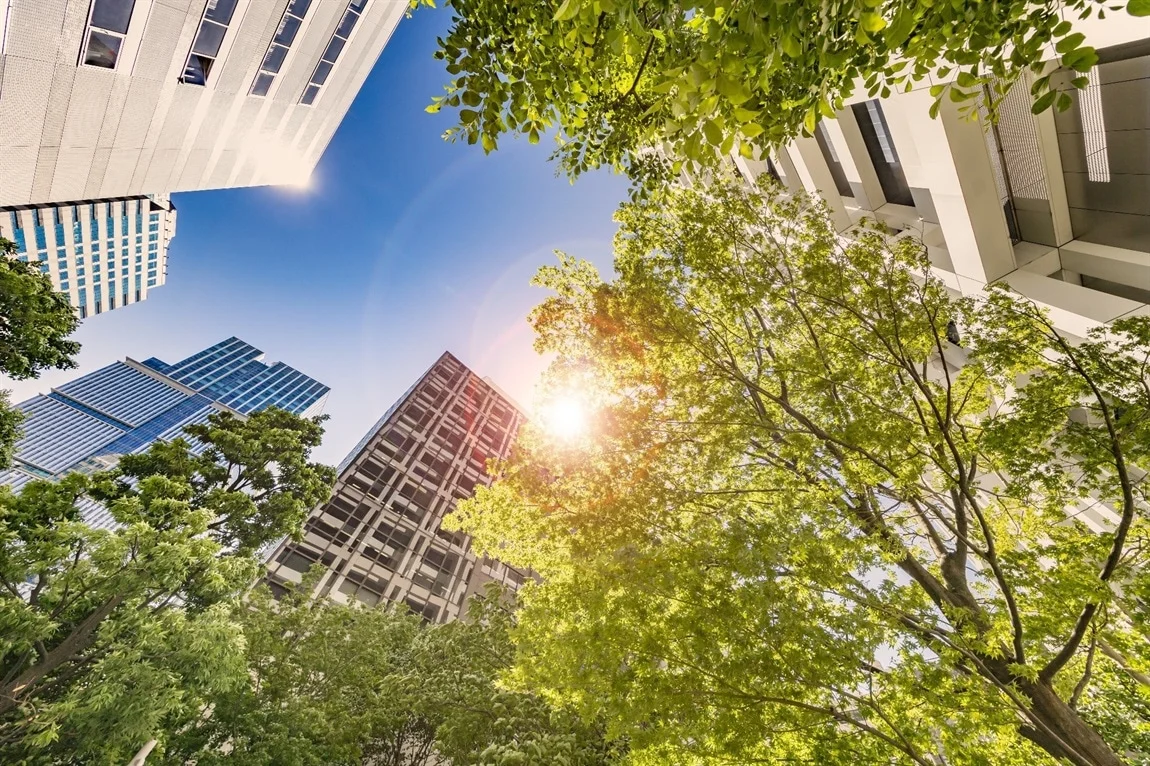
US urban green cities are expanding fast as major American cities invest in cleaner and healthier infrastructure. Columnists say cities like New York, Seattle, and Chicago are leading a quiet but steady transformation. The focus is on improving air quality, reducing pollution, and creating more livable urban spaces.
One of the biggest changes is the expansion of bike lanes. Cities are building safer and longer cycling routes across busy districts. This encourages more people to choose bikes instead of cars for short trips. Experts say this reduces traffic congestion and lowers emissions.
Urban forests are also playing a major role in US urban green cities. City planners are planting more trees in streets, parks, and residential areas. These green spaces help cool down neighborhoods during hot weather. They also improve air quality by absorbing carbon dioxide and filtering pollutants.
Clean transit projects are another key development. Cities are investing in electric buses and upgraded subway systems. These systems reduce reliance on diesel vehicles and lower greenhouse gas emissions. Public transport is becoming more efficient and environmentally friendly.
New York City has expanded its bike-sharing programs and pedestrian-friendly zones. Seattle is increasing tree coverage and investing in electric public transport fleets. Chicago is working on large-scale green infrastructure projects, including park expansions and lakefront improvements.
Experts say these changes are improving both health and quality of life. Cleaner air reduces respiratory problems, especially in children and older adults. More walkable and bike-friendly streets also encourage physical activity.
Urban planners believe that green infrastructure is a long-term investment. It helps cities adapt to climate change while improving daily life for residents. Flood management systems and green rooftops are also being introduced in some areas.
Community involvement is also supporting this transformation. Local groups are participating in tree planting and neighborhood clean-up programs. Residents are also pushing for more sustainable city planning decisions.
Despite progress, challenges remain. Funding large-scale green projects can be expensive. Some cities also face resistance from drivers when road space is reduced for bikes and pedestrians.
However, experts say the benefits outweigh the challenges. Reduced pollution, lower energy use, and improved public health are seen as long-term gains. Many cities are setting new climate targets to continue this progress.
Technology is also helping cities become greener. Smart traffic systems are reducing idle time for vehicles. Data is being used to plan better public transport routes and reduce emissions.
Overall, US urban green cities are reshaping how Americans live in urban areas. The shift toward greener transport, more trees, and cleaner infrastructure is making cities healthier and more sustainable.
