

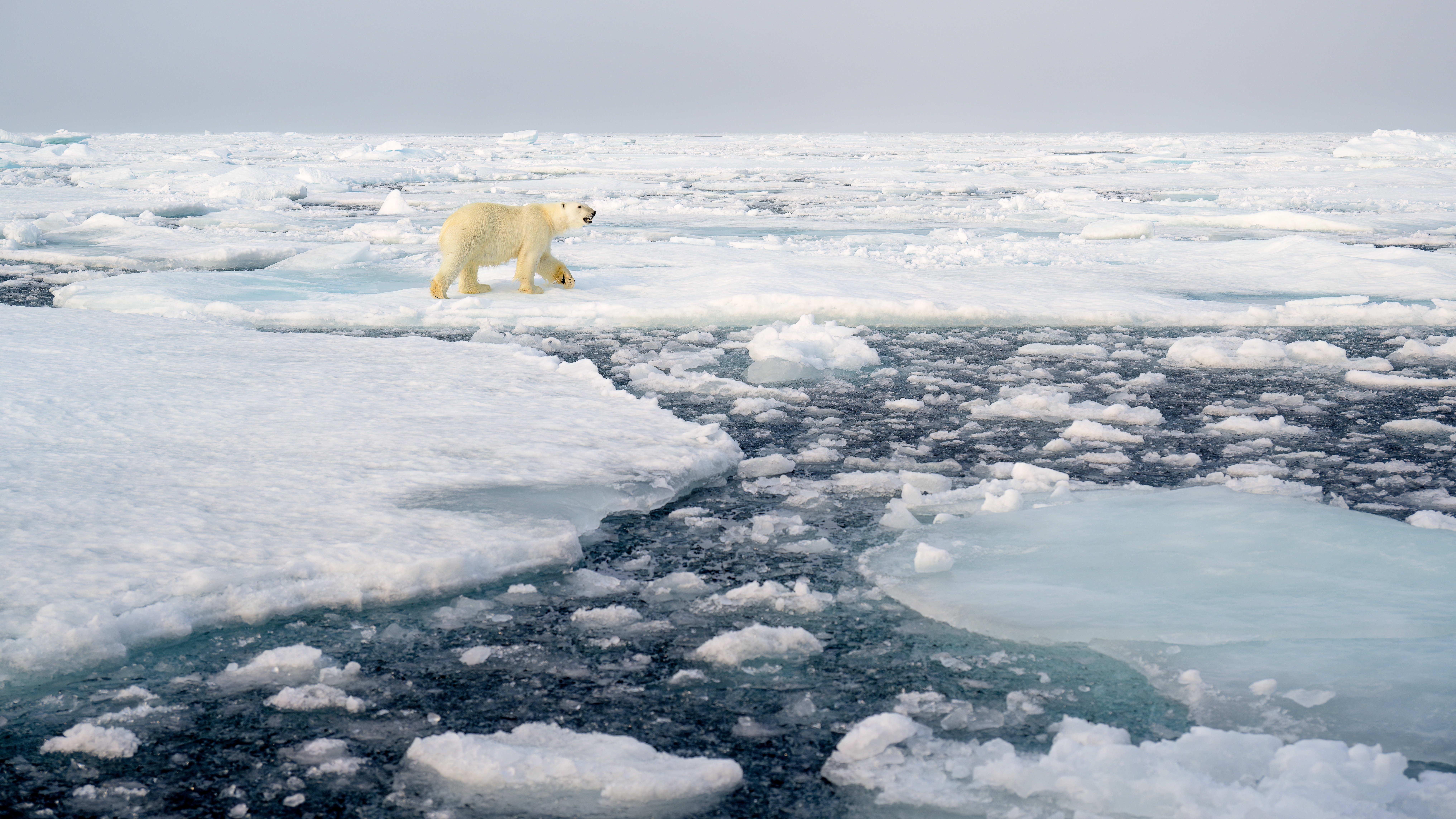
Scientists have identified genetic changes in polar bears that could help them adapt to rising temperatures, offering new insight into how the species might cope with climate change.
Researchers from the University of East Anglia found that polar bears living in south-east Greenland show different DNA activity compared with bears in the colder north. The study links warmer conditions to increased activity of so-called “jumping genes” – mobile DNA elements that can influence how other genes function.
By analysing blood samples and local climate data, the team found that genes linked to heat stress, metabolism and ageing were more active in bears from warmer regions. These changes may reflect adaptations to shifting diets and reduced sea ice, with southern bears relying more on plant-based food compared with the seal-heavy diets of northern populations.
The findings, published in Mobile DNA, are thought to be the first to show a statistically significant connection between rising temperatures and DNA changes in a wild mammal. While the researchers say this genetic flexibility could help some polar bears survive, they stress it does not remove the broader threat posed by climate change.
With two-thirds of the global polar bear population predicted to disappear by 2050, the scientists say cutting fossil fuel emissions remains essential, even as they continue studying whether similar DNA changes are occurring in other polar bear populations worldwide.
