

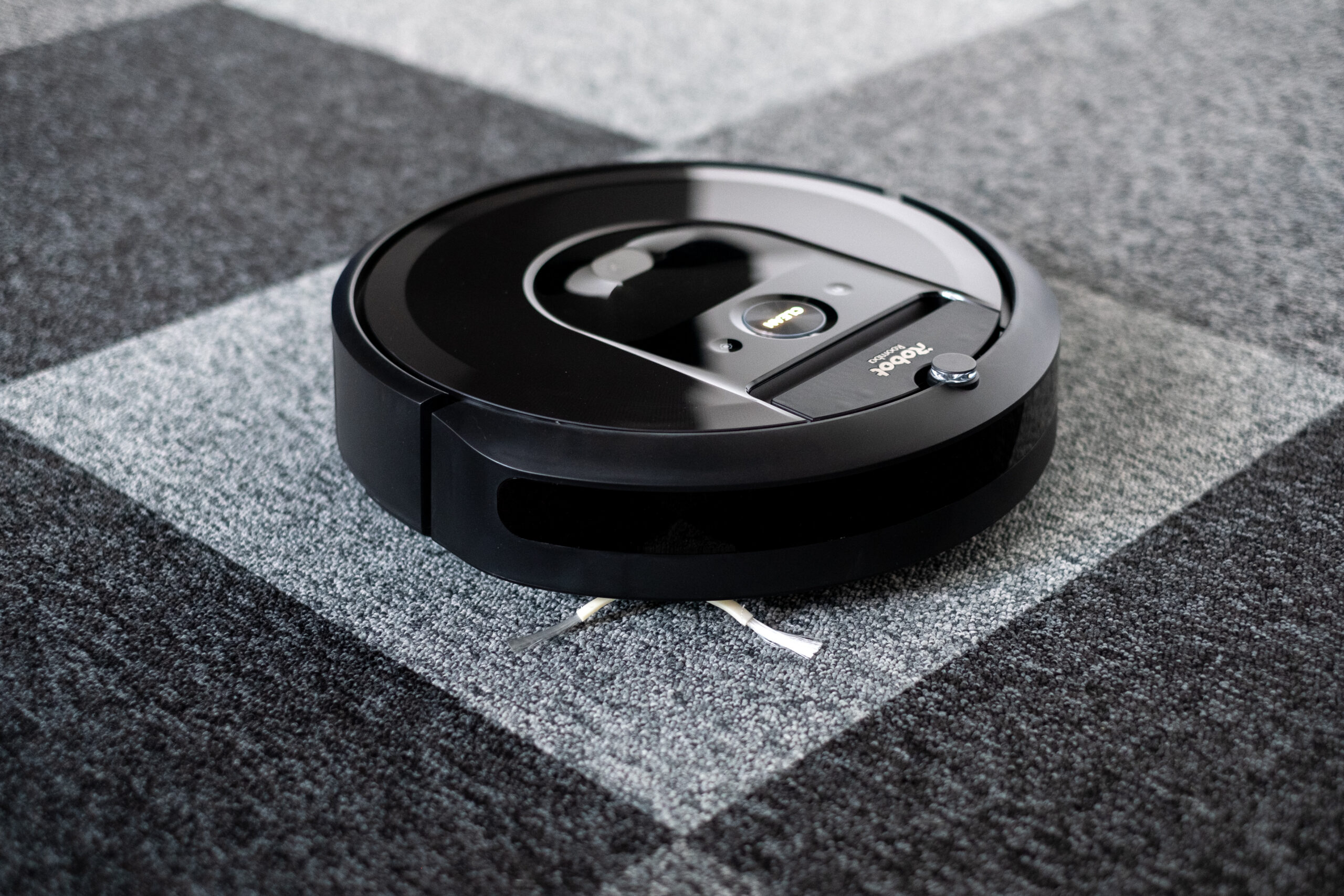
The US company behind the Roomba robot vacuum has filed for bankruptcy protection and agreed to be taken over by one of its Chinese suppliers, after years of falling profits and rising competition.
iRobot, which pioneered consumer robot vacuums in the early 2000s, said it had entered Chapter 11 bankruptcy proceedings in Delaware as part of a restructuring deal with Picea Robotics. A subsidiary of Picea, one of iRobot’s main suppliers, will acquire the company.
The US-listed firm has struggled since the pandemic, hit by supply chain disruptions and an influx of cheaper rivals. Earlier this month, iRobot warned it could face bankruptcy. Its chief executive, Gary Cohen, said the deal would stabilise the business by combining iRobot’s design and research capabilities with Picea’s manufacturing expertise.
The takeover comes three years after Amazon abandoned a $1.4bn (£1.1bn) bid for iRobot following resistance from EU competition regulators. Although iRobot received $94m in compensation, much of the money was used to cover fees and repay debt, some of which was later acquired by Picea’s Hong Kong subsidiary.
The sale to a Chinese supplier may revive privacy concerns linked to Roomba devices, which use mapping technology to navigate homes. Similar fears were raised during Amazon’s attempted acquisition.
iRobot said the bankruptcy process would allow it to continue operating normally, including paying staff, supporting products and maintaining its app and supply chains. Founded in 1990 by MIT roboticists, the company was valued at more than $3bn in 2021 but is now worth about $137m after posting a $145.5m loss last year.
