

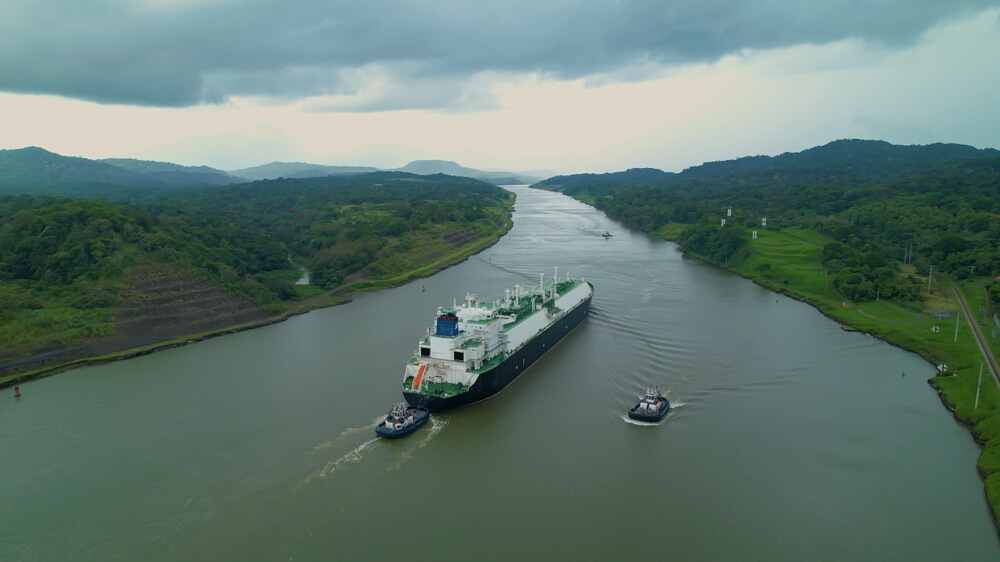
Panama’s Supreme Court has struck down a concession that allowed Hong Kong-based CK Hutchison to operate ports at both ends of the Panama Canal, following an audit that alleged irregularities in a 25-year extension granted in 2021. The ruling has drawn sharp criticism from Hong Kong and added a new layer of complexity to international trade and geopolitical relations.
Hong Kong Voices Strong Objection
On Friday, Hong Kong’s government issued a statement condemning the court’s decision, calling it “unjust” and harmful to the interests of Hong Kong companies operating overseas. Officials emphasized that they oppose any foreign government using coercive or unreasonable measures in international trade, warning that such actions undermine confidence in cross-border business and investment.
Strategic Waterway Under Scrutiny
The ruling has significant geopolitical implications. The United States has long been wary of Chinese influence over the Panama Canal, a key global shipping route. While Panama’s authorities insist China has no role in canal operations, US officials, including Secretary of State Marco Rubio, have framed the ports as a national security concern. Former President Donald Trump even suggested that Panama should return control of the canal to the United States.
The court provided no details on what will happen next to port operations, leaving the future uncertain.
CK Hutchison Caught Between Legal and Political Challenges
Panama Ports Company, the CK Hutchison subsidiary operating the ports, said it has not yet been formally notified of the ruling. The company defended its concession as the product of a transparent international bidding process and warned that the decision threatens both its contract and the livelihoods of thousands of Panamanians dependent on port activity. It said it reserves the right to take legal action in Panama or elsewhere.
Complicating matters, CK Hutchison’s planned sale last year of its majority stake in the Panamanian ports and other global holdings to a consortium including BlackRock stalled after objections from Beijing. The company considered inviting a Chinese investor to join the consortium, a move seen as an effort to appease Beijing, but no further steps have been reported.
The situation underscores the delicate position Hong Kong business leaders face as they try to balance international commercial interests with Beijing’s political expectations, particularly amid growing tensions between China and the United States.
