

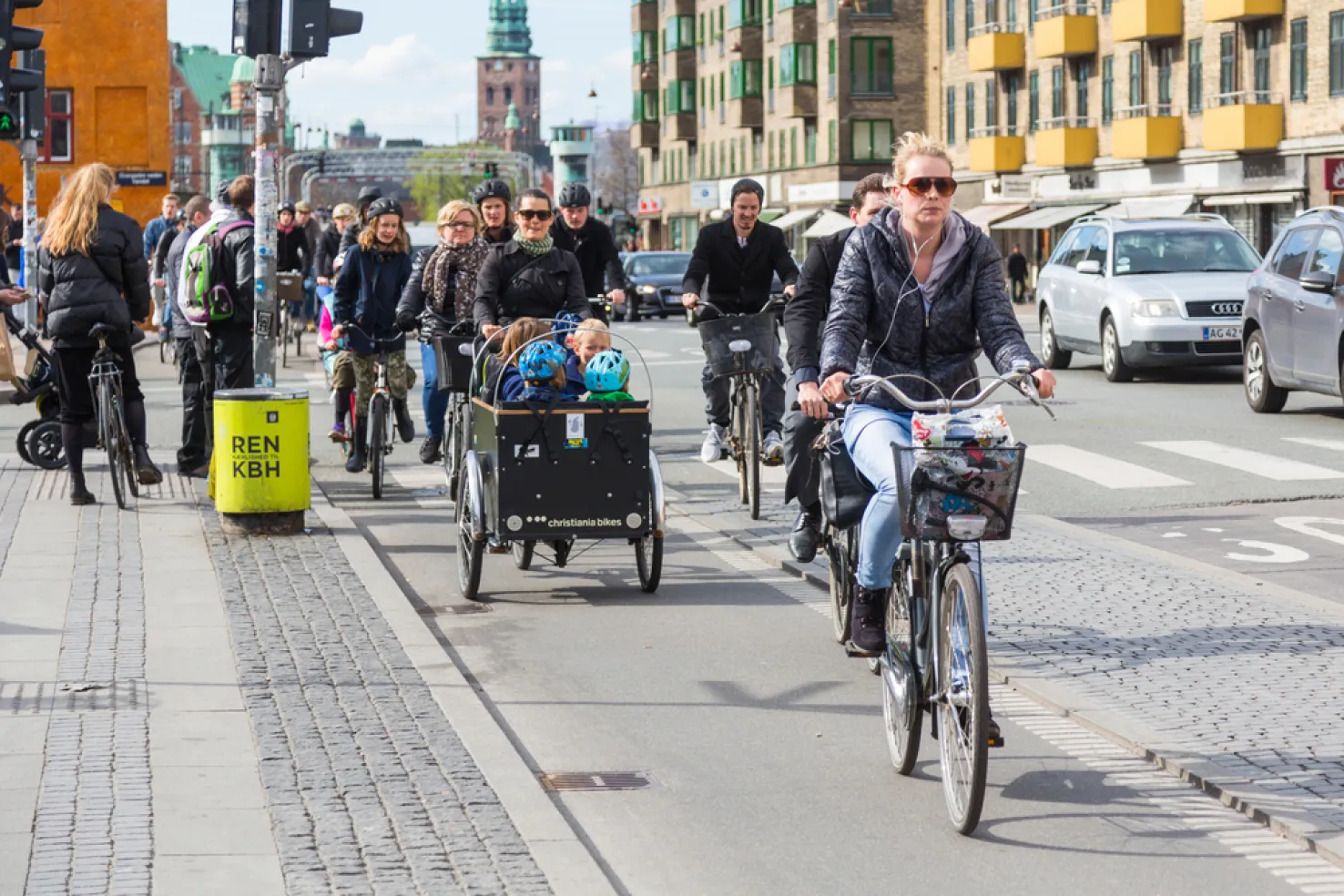
Copenhagen has expanded its network of bike-friendly urban routes in the city center, aiming to make commuting safer and more enjoyable for residents. The new paths connect key neighborhoods, public spaces, and business districts, encouraging sustainable transportation across the city.
City officials say the project is part of a larger effort to promote healthier lifestyles and reduce carbon emissions. By making cycling easier and more accessible, Copenhagen hopes more residents will choose bicycles over cars for daily travel.
The newly designed routes feature separated lanes for bicycles, clear signage, and smooth surfaces to ensure safety for riders of all ages. Traffic signals along busy intersections have been adapted to give cyclists priority, helping reduce congestion and accidents.
Local cyclists have welcomed the initiative, noting that the upgraded routes make commuting faster and more convenient. “I feel safer riding to work now, and the routes are well-connected across the city,” said one resident.
City planners emphasized that these improvements are part of a long-term strategy to make Copenhagen one of the world’s most bike-friendly cities. The city already boasts one of the highest cycling rates globally, with more than half of residents commuting by bicycle daily.
In addition to supporting daily commutes, the new bike paths are designed to encourage active lifestyles. Parks, cultural landmarks, and shopping districts are now more accessible by bike, allowing residents and visitors to enjoy city life in a healthier way.
Officials also highlighted the environmental benefits of expanding bike-friendly routes. By reducing car traffic, the city aims to cut greenhouse gas emissions and improve air quality. The project aligns with Copenhagen’s broader sustainability goals, including a commitment to become carbon neutral by 2030.
The city has invested in technology to enhance the cycling experience. Smart sensors track traffic flow, and interactive maps guide cyclists along the safest and fastest routes. Plans are also underway to install additional bike parking and charging stations for e-bikes.
Urban planners are monitoring the impact of the new routes closely. Early reports show an increase in cycling traffic and fewer vehicle-related accidents in the areas where the routes have been introduced. City authorities plan to expand similar infrastructure in other neighborhoods in the coming months.
Copenhagen’s approach serves as a model for other cities looking to balance urban growth with sustainable transport. By prioritizing cycling infrastructure, the city demonstrates how urban planning can promote health, environmental responsibility, and convenience for residents.
Residents are encouraged to provide feedback on the new routes to help guide future expansions. Public workshops and online surveys are available for people to share their experiences and suggest improvements.
The city also plans to host community events and cycling campaigns to further encourage participation. These programs aim to raise awareness about the benefits of cycling and inspire more people to adopt active commuting habits.
Overall, Copenhagen’s new bike-friendly urban routes reflect a growing trend toward sustainable and active city living. With improved safety, accessibility, and convenience, the city continues to strengthen its reputation as a global leader in cycling infrastructure.
