

Massive Expansion at Dukovany
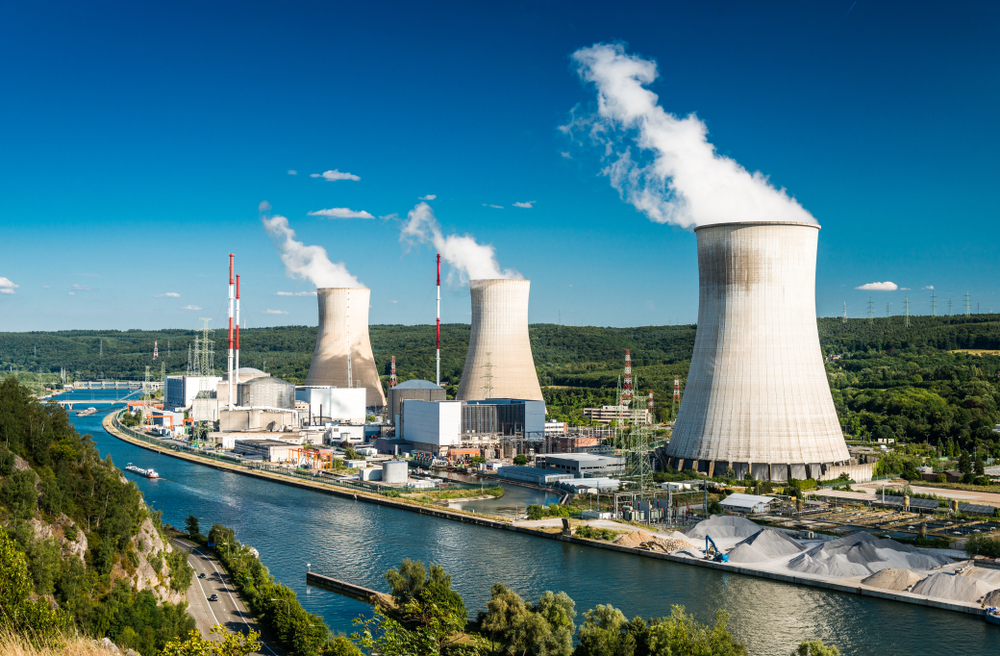
Czechia aims to generate up to 60 percent of electricity from nuclear power by 2050. Eight Dukovany cooling towers loom over a construction site for two additional reactors. Engineers drill 140 meters below ground to ensure the $19 billion project is geologically safe. The expansion will at least double national nuclear output and cement Czechia among Europe’s most nuclear-dependent nations.
South Korea’s KHNP won a tender over France’s EDF to build two reactors producing over 1,000 megawatts each. The units will operate in the late 2030s alongside Dukovany’s four 512-MW reactors from the 1980s. The KHNP contract allows two more reactors at Temelín, which already hosts two 1,000-MW reactors. Officials plan to follow both sites with small modular reactors.
Petr Závodský, Dukovany chief executive, says nuclear expansion will help the country phase out fossil fuels, stabilize energy prices, meet emissions targets, and support rising electricity demand from electric cars and data centers.
Europe Embraces Nuclear Again
Rising energy demand and urgent carbon reduction targets are reviving interest in nuclear power. Unlike fossil fuels, nuclear plants produce minimal greenhouse gases. The EU now classifies nuclear energy as environmentally sustainable, unlocking financing for member nations.
Countries such as Czechia, Slovakia, Hungary, and France benefit from EU support to maintain or expand their nuclear programs. Belgium and Sweden scrapped nuclear phase-out plans. Denmark and Italy are reconsidering, while Poland plans to build three units with Westinghouse, joining 12 nuclear-friendly EU nations. In 2024, nuclear generated 24 percent of EU electricity.
Britain partnered with the United States to build Sizewell C, its first nuclear plant since 1995, with a £14.2 billion investment. CEZ and Rolls-Royce SMR also plan small modular reactors to enhance Czechia’s nuclear portfolio.
Financing, Risks, and Opposition
The Dukovany expansion costs over €16 billion. The government will acquire an 80 percent stake, secure a loan, and guarantee CEZ stable revenue for 40 years. EU approval is expected as part of climate-neutral goals for 2050.
Závodský notes that 40 percent of Czech electricity still comes from coal, which the government aims to eliminate by 2033. Earlier financing uncertainty delayed projects. In 2014, CEZ canceled a Temelín tender after officials refused financial guarantees.
Security concerns barred Russia’s Rosatom and China’s CNG from the Dukovany tender after Russia invaded Ukraine. CEZ signed fuel contracts with Westinghouse and Framatome to end reliance on Russian supplies, with KHNP providing fuel for ten years.
Critics cite high costs and lack of permanent waste storage. Friends of the Earth urges investment in industry improvements instead. Dukovany and Temelín lie near Austria, which abandoned nuclear after Chernobyl. Austria’s Parliament rejected Czech small modular reactors and remains Europe’s most nuclear-skeptical nation.
Czechia continues to push forward despite opposition, aiming to lead Europe in low-carbon, reliable nuclear energy.
