

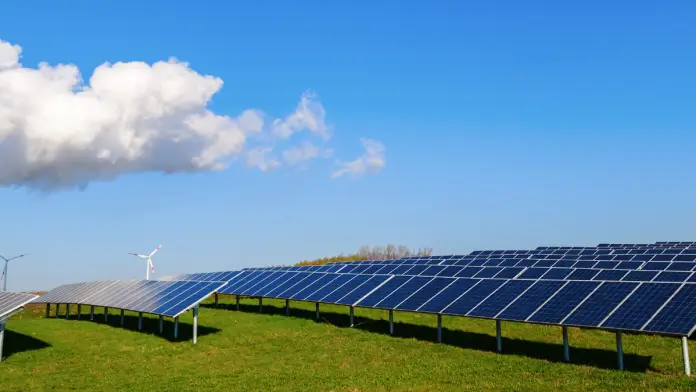
Europe is accelerating its shift toward clean energy as Germany, Spain, and Italy approve new renewable energy projects. These initiatives include wind farms and solar power plants, aiming to generate thousands of jobs and strengthen Europe’s climate efforts.
Germany is leading with several large-scale solar projects in the northern states. Officials say these developments will add significant clean energy capacity and help the country meet its 2030 renewable targets. German energy experts highlight that solar farms will produce enough electricity to power millions of homes.
In Spain, wind energy projects are expanding across several regions. The government has approved permits for multiple onshore wind farms, which will supply power to local communities and industries. Officials expect the new installations to create thousands of construction and maintenance jobs, supporting local economies. Spain’s renewable sector is seen as a key driver in reducing carbon emissions and ensuring energy independence.
Italy is also investing heavily in solar and wind power. The government has announced incentives for private companies to develop solar parks and offshore wind turbines. These projects aim to increase Italy’s clean energy output while creating employment opportunities in both urban and rural areas. Italian energy analysts note that expanding renewables is essential for the country to meet EU climate goals.
Experts across Europe emphasize that these projects are not only important for energy production but also for long-term economic growth. Renewable energy investments often stimulate local industries, create specialized jobs, and attract private funding. Economists say the benefits extend beyond electricity generation, boosting construction, engineering, and research sectors.
The European Union has set ambitious climate targets for 2030, including reducing greenhouse gas emissions by at least 55% compared to 1990 levels. Expanding renewable energy projects is a central strategy to achieve these goals. Governments across Europe are fast-tracking permits and offering financial incentives to accelerate the transition from fossil fuels to clean energy.
Community engagement is another focus of these projects. In Germany, Spain, and Italy, authorities are working with local communities to ensure projects meet social and environmental standards. Public consultations and impact assessments are now standard practice before construction begins. This approach helps gain local support and addresses concerns about land use and wildlife preservation.
Analysts also point to technological advances that make renewable energy more efficient and cost-effective. Modern wind turbines can generate more power with less impact on surrounding areas, while new solar panels convert sunlight into electricity with higher efficiency rates. Experts say these innovations make it easier for countries to meet energy demands sustainably.
Renewable energy projects in Europe are expected to grow even faster in the coming years. Governments plan to expand offshore wind farms, large-scale solar arrays, and battery storage facilities. These investments aim to provide reliable, clean energy while reducing reliance on imported fossil fuels.
As Europe continues this expansion, the region is setting an example for global clean energy efforts. The combination of government support, private investment, and technological innovation is driving a green transformation that promises both economic and environmental benefits.
The approval of these renewable energy projects signals a significant step forward in Europe’s energy transition. By creating jobs, supporting local economies, and reducing carbon emissions, Germany, Spain, and Italy are demonstrating how sustainable development and climate action can go hand in hand.
