

Across the United States, local projects are helping people reconnect with one another. In many towns and cities, small groups are creating simple ways for neighbors to meet, talk, and spend time together. These efforts are helping reduce loneliness and strengthen community life.
Social isolation has become a growing concern in recent years. Many people live close to others but still feel alone. Long work hours, online habits, and busy schedules often limit face-to-face contact. Health experts warn that loneliness can harm both mental and physical health. It can raise stress levels and lower overall well-being.
In response, local projects are bringing people together in everyday spaces. Community gardens, shared kitchens, and open meeting areas are becoming common tools. These places give people a reason to gather and talk. Even short conversations can help build trust and a sense of belonging.
In urban areas, neighborhood groups are hosting regular events. These include walking clubs, game nights, and outdoor movie evenings. Such events are usually free and open to all. Organizers say the goal is not large crowds but real connection. Small groups often help people feel more comfortable and willing to join.
Many projects focus on shared interests. Music, food, and crafts are popular choices. Cooking classes allow neighbors to prepare meals together. Art workshops invite people of all ages to create and share ideas. These activities help break social barriers and make it easier for strangers to connect.
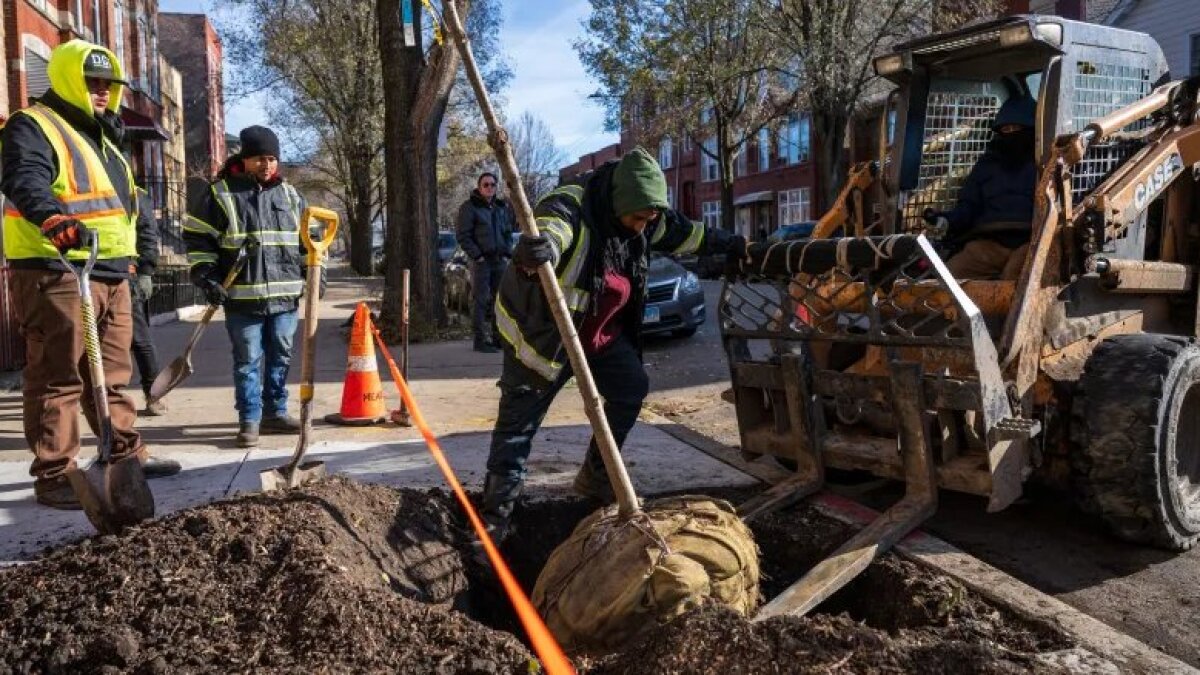
In smaller towns and rural areas, local halls and schools often serve as gathering places. Weekly community meals and volunteer projects bring residents together. People help clean parks, fix shared spaces, or support local families. Working toward a common goal strengthens trust and mutual support.
Older adults benefit greatly from these efforts. Many local projects offer social hours and learning sessions for seniors. Simple activities like board games or storytelling circles help reduce isolation. Participants often say they feel more valued and connected after joining.
Young people are also getting involved. Some projects encourage youth to plan events or lead activities. This gives them a sense of responsibility and purpose. It also helps bridge gaps between generations. When young and older residents interact, communities grow stronger.
Experts say local projects succeed because they are flexible. Each community designs programs that fit its needs. What works in a large city may differ from what works in a rural area. Local leaders understand these differences and adapt their plans.
Funding remains a challenge for many groups. Most rely on donations, small grants, and volunteers. Despite limited resources, organizers continue their work because they see real results. Participants report improved mood, stronger friendships, and greater involvement in community life.
Technology also plays a role. While online tools can connect people, they cannot replace in-person contact. Many local projects use social media only to share event details. The real goal is to bring people together in physical spaces.
The impact of these efforts goes beyond social ties. Communities with strong connections often respond better to challenges. Neighbors are more likely to help each other during difficult times. This builds resilience and long-term stability.
Local projects rebuilding social bonds show that change does not always need large systems. Small actions, led by committed people, can make a big difference. By creating spaces for connection, these projects help neighbors feel less alone and more united.
As more communities adopt these ideas, the hope is that social connection becomes a normal part of daily life again. Strong social bonds remain a key part of healthy and resilient communities across the nation.
