

South Korea positions itself as an AI powerhouse
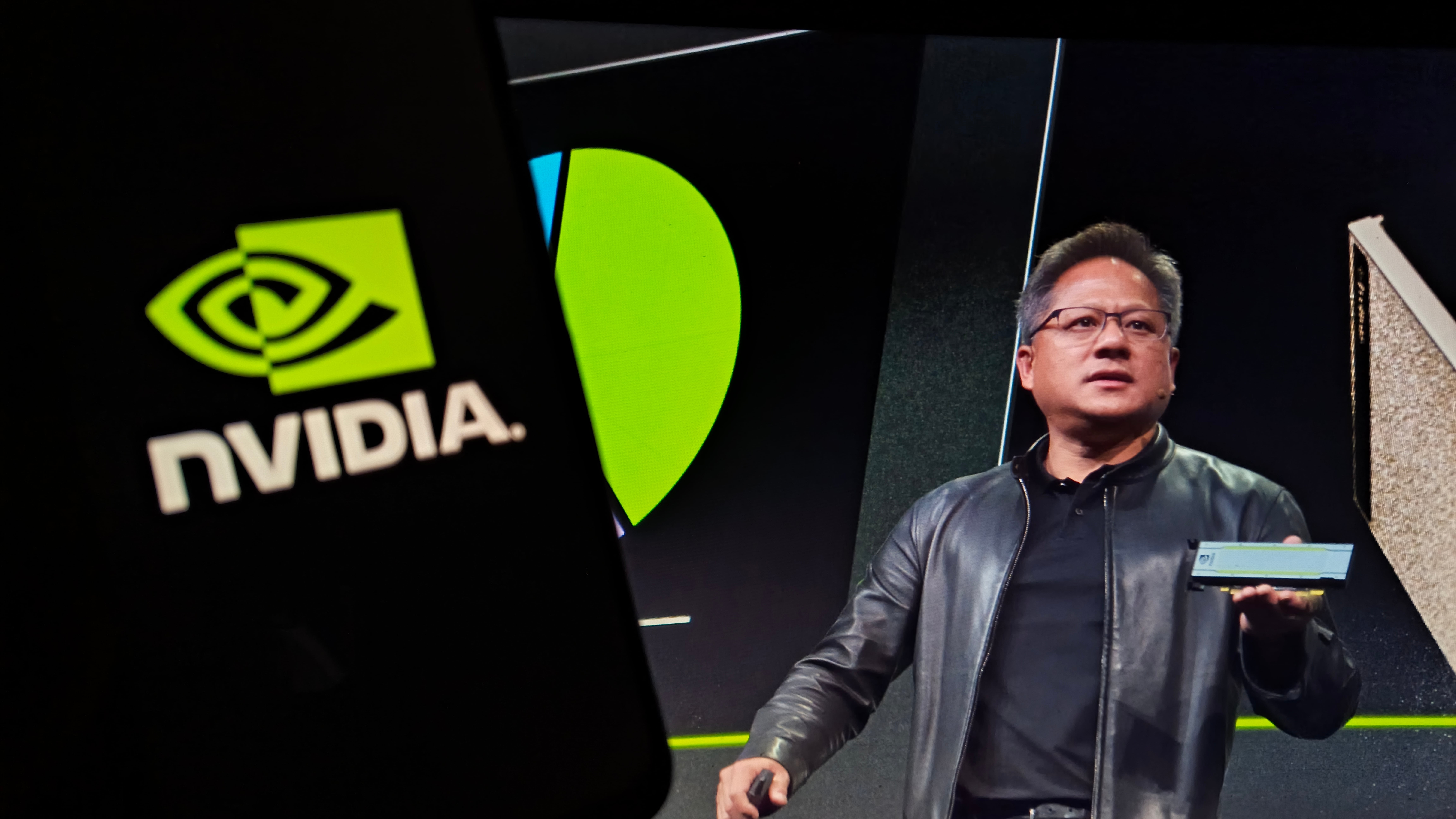
Nvidia will supply over 260,000 of its most advanced AI chips to South Korea’s government and leading companies, including Samsung, LG, and Hyundai. The chips will power factories producing semiconductors, robots, and autonomous vehicles. Chief executive Jensen Huang said the deals allow South Korea to “export intelligence as a new product.” He did not reveal the total value of the agreements.
The announcement follows a historic week for Nvidia. On Wednesday, it became the first company ever to reach a $5 trillion valuation. A day later, optimism grew that easing US-China tensions could allow renewed chip exports to China.
At a CEO summit during the Asia-Pacific Economic Cooperation meeting in Gyeongju, Huang said the chips will enable companies to build “digital twins” of factories worldwide. The deals demonstrate Nvidia’s ongoing push to expand AI infrastructure and embed artificial intelligence across industries globally.
Global partnerships reinforce Nvidia’s leadership
Nvidia’s international collaborations have been central to its rapid growth. The company continues to strengthen its position as a global AI leader.
However, the South Korean deals come amid ongoing US-China trade tensions. China once accounted for more than ten percent of Nvidia’s revenue, but export restrictions have blocked its access to the company’s most advanced chips.
“We used to have 95% of the AI business in China. Now we’re at zero,” Huang said in Gyeongju. “I’m disappointed by that.”
China trade talks could create new openings
After meeting Chinese President Xi Jinping, former US President Donald Trump said Beijing will begin talks with Nvidia about potential chip sales. He described the discussions as a matter between China and Nvidia, with the US acting as a “referee.”
Huang said he hopes to sell Nvidia’s Blackwell chips to China, though the final decision rests with the US President. Current export rules still restrict sales of Nvidia’s most advanced AI processors to Chinese buyers.
Huang offered no updates on the negotiations but expressed optimism. “It’s in America’s interest to keep the China market,” he said. “And it’s in China’s interest to welcome American technology. We want American innovation to define global standards.”
South Korea invests in sovereign AI infrastructure
South Korea, already a leader in semiconductors and automotive manufacturing, aims to become a regional AI powerhouse.
Huang described the country as ideal for AI growth due to its energy resources, available land, and industrial infrastructure. President Lee Jae Myung has pledged to prioritise AI investment, particularly amid US tariff pressures.
With Nvidia’s support, South Korea will develop national computing systems under the “sovereign AI” concept. More than 50,000 Nvidia chips will power data centres at the National AI Computing Center and at companies including Kakao and Naver.
Asia’s supply chains strengthen Nvidia
Nvidia relies heavily on Asia’s interconnected manufacturing network. The company designs chips but depends on partners such as Samsung, SK Hynix, and TSMC for production.
TSMC manufactures Nvidia’s most advanced processors, including the flagship Blackwell series. Samsung produces components for the H20 processor, a scaled-down version built to comply with US export rules for China.
US officials warn that exporting AI chips to China could strengthen Beijing’s military and technological capabilities. In response, China has accelerated domestic chip development. Huawei and Alibaba have introduced AI processors they claim rival Nvidia’s products.
Beijing has reportedly encouraged local firms to reduce Nvidia purchases and support domestic manufacturers.
“We deeply respect China’s technological capabilities,” Huang said on Friday.
Investors back Nvidia’s global strategy
Nvidia’s share price surged this week following multiple partnership announcements. Deals with the US Department of Energy, Nokia, Uber, and Stellantis reassured investors about AI’s long-term profitability.
Speculation about renewed exports to China after Trump’s meeting with Xi further boosted Nvidia’s market value. Nvidia’s global expansion underlines its ambition to lead the AI revolution while navigating complex geopolitical and technological challenges.
