

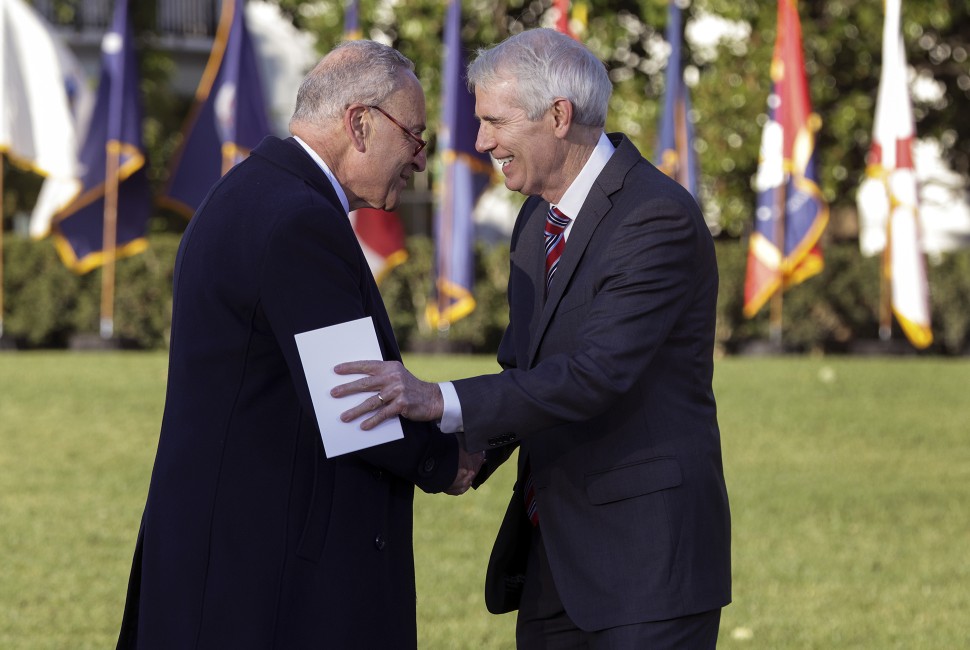
The United States Senate has displayed rare bipartisanship by passing significant legislation on defense and oversight issues, even amid political gridlock. Lawmakers from both parties crossed party lines to ensure the measure’s approval, highlighting a return of government functionality during challenging times.
The vote comes amid ongoing debates in Congress, showing that bipartisan cooperation is possible even when partisan tensions are high. This legislation addresses critical defense and oversight priorities, ensuring that key government functions continue without disruption.
Analysts say the move signals a willingness among senators to collaborate on essential national matters, despite broader disagreements on policy. By working together, lawmakers were able to prevent delays in funding and oversight that could have impacted national security and public trust.
Supporters of the bill emphasized the importance of maintaining a functioning government. They noted that passing crucial legislation during periods of gridlock demonstrates a commitment to national interests over partisan divides.
Critics of the shutdown and legislative delays have long warned that partisan politics can hinder government operations. This bipartisan vote may serve as a model for addressing pressing issues efficiently, even in a polarized political environment.
The legislation covers a range of oversight measures and defense priorities, ensuring that the Senate continues to fulfill its responsibilities to the American people. Observers highlighted that such cooperation is rare but necessary for maintaining trust in government institutions.
Political experts note that bipartisan efforts like this can help restore public confidence. Citizens often view cross-party collaboration as a sign that elected officials are putting country over party, particularly in times of legislative stagnation.
The success of this vote may encourage further bipartisanship in Congress. By setting a precedent for cooperation, senators demonstrate that working together is possible, even during challenging political climates.
For the public, the immediate benefits include continued government operations and assurance that key defense and oversight activities will proceed without interruption. This legislative action ensures that essential programs and responsibilities remain on track.
The outcome also reflects positively on the Senate’s ability to navigate difficult negotiations. With members from both parties contributing, the measure underscores the potential for compromise and productive dialogue in federal policymaking.
While political gridlock remains a challenge, this bipartisan achievement shows that collaboration can still occur. Lawmakers’ willingness to cross party lines illustrates that common ground is possible on issues critical to national security and governance.
Moving forward, analysts hope that such examples of bipartisanship may influence future legislation, encouraging senators to prioritize national interests over partisan divisions. The vote demonstrates that, even in divided times, government functionality can be preserved through cooperation and dialogue.
