

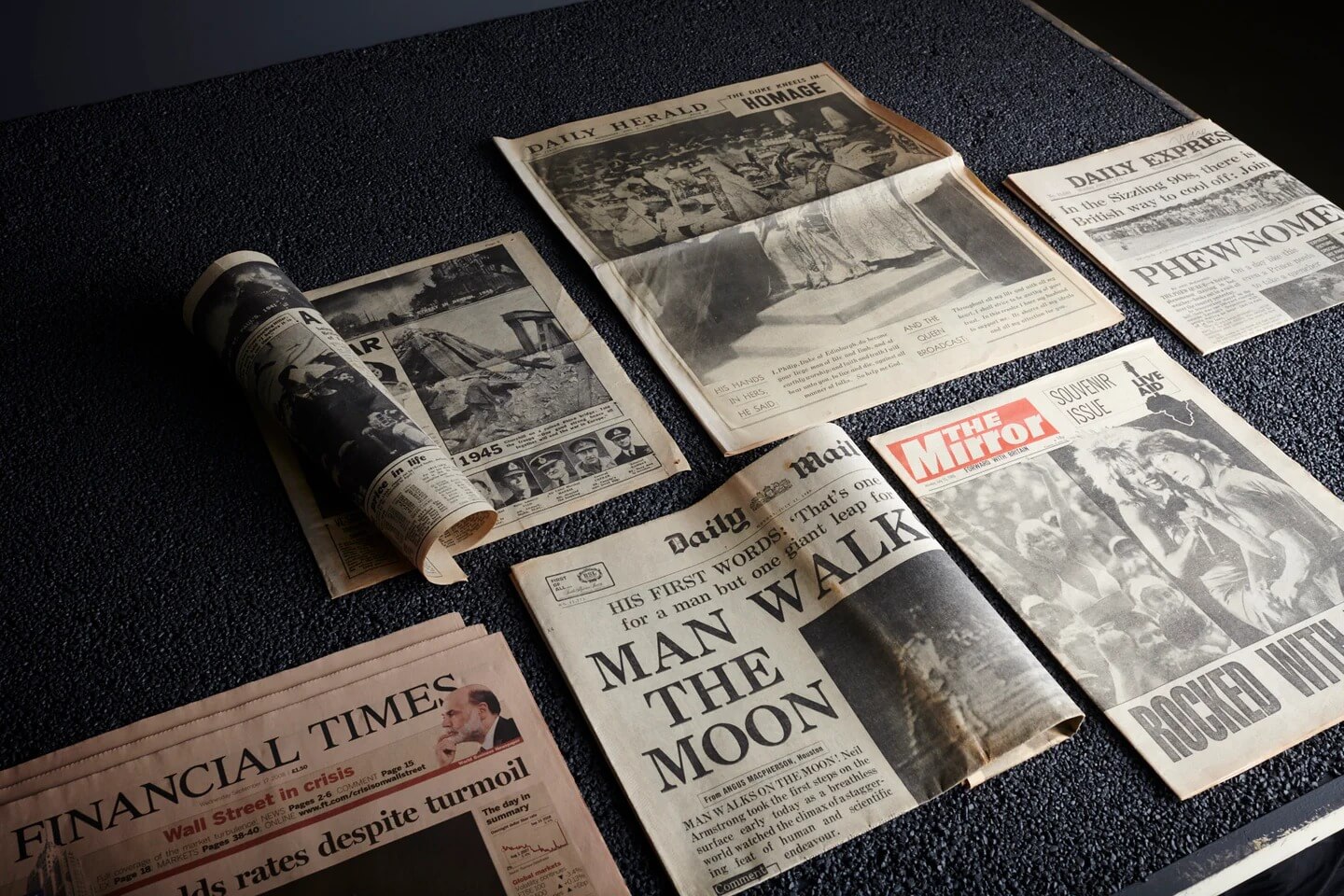
UK newspapers have taken a major step to make history more accessible. Several leading newspapers in the United Kingdom have opened parts of their digital archives to the public. This move allows free access to decades of historical articles, photographs, and special reports.
The digital archives cover a wide range of topics, including politics, culture, sports, and major events. Researchers, students, and history enthusiasts can now explore the past without any subscription fees. The initiative aims to support education, research projects, and personal learning.
Newspapers have digitized thousands of articles that were previously only available in print or behind paywalls. Users can search for specific dates, events, or people. The archives also include photographs, advertisements, and editorials that showcase life in the UK over the past century.
Experts say that opening these archives is a big step for public access to information. Academics can now study historical trends, social changes, and media coverage with more ease. Teachers can also use original sources to help students understand history in a more engaging way.
Many newspapers have added tools to make the archives user-friendly. Visitors can filter articles by year, topic, or author. Some archives even provide downloadable content for research purposes. This allows users to cite original sources in essays, reports, and projects.
The expansion of digital archives also reflects how newspapers are embracing technology. Traditional print media have faced challenges in the digital era. By offering free access to historical content, newspapers are not only preserving history but also attracting a wider audience online.
Historians say that these archives are valuable for understanding society’s evolution. Old articles reveal how public opinion has changed over time. Photographs from past decades show fashion trends, architecture, and daily life. The archives provide a vivid snapshot of the UK’s history.
Some newspapers are also planning to expand the archives further. Upcoming updates may include interactive timelines, audio recordings, and early digital publications. This will make the archives even more comprehensive and engaging for the public.
Access to digital archives is now simple. Anyone with an internet connection can explore articles from the early 1900s to recent years. Schools and universities can integrate these resources into lessons, while independent researchers can analyze historical coverage without restrictions.
This initiative shows a growing commitment to transparency and education. By making historical content widely available, newspapers are ensuring that knowledge is preserved and shared. It also supports lifelong learning, allowing individuals to connect with the past in a meaningful way.
The public response has been positive. Many users appreciate the ability to explore old stories and photographs for free. Social media posts and online forums have highlighted rare articles and iconic photographs that were difficult to access before.
Overall, UK newspapers digital archives provide a valuable resource for anyone interested in history, culture, and society. By opening these collections, newspapers are helping to educate, inspire, and connect people to the past in new and exciting ways.
