

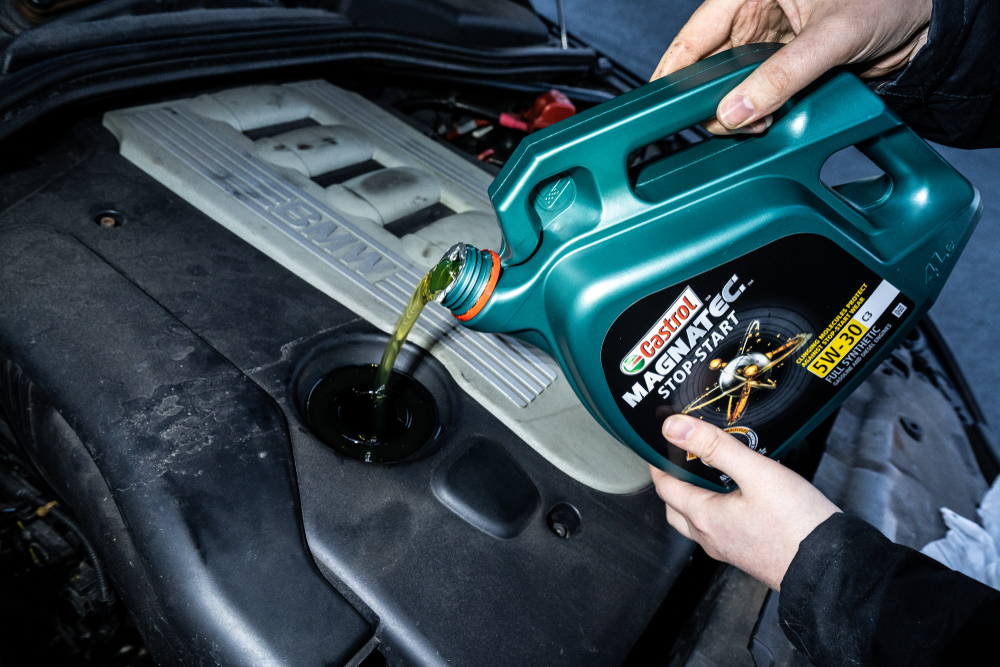
BP has completed a six billion dollar deal. The company sells a majority stake in its Castrol motor oil division. US investment firm Stonepeak acquires the holding. The buyer operates from New York. BP transfers 65 percent of Castrol. The brand produces lubricants for cars, motorcycles, and industrial vehicles. The deal values Castrol at 10.1 billion dollars. BP receives six billion dollars in cash. Management plans to reduce debt and strengthen its core operations.
BP retains a 35 percent stake in Castrol. The group first gained control of the brand in 2000. Executives called the sale a strategic milestone. BP aims to simplify operations and cut costs. The transaction supports a wider corporate restructuring.
Divestment Program Gains Momentum
BP announced a large-scale asset sale program in February. The company targets divestments worth 20 billion dollars. Management wants to sharpen its focus on oil and gas production. BP also seeks to strengthen its balance sheet. The company says progress has passed the halfway mark. Earlier divestments helped accelerate this momentum.
BP has revised its long-term energy strategy. The group reduces spending on renewable energy projects. Some investors demanded changes after weak performance. Profits and the share price lagged competitors. BP now prioritizes conventional energy production.
Market and Industry Trends
Other energy majors are taking similar steps. Shell has slowed green energy investments. Norwegian firm Equinor has followed a comparable path. Political messaging influenced corporate decisions. US President Donald Trump promoted expanded drilling. That approach encouraged renewed fossil fuel investment.
Leadership Changes Provide Context
The Castrol sale follows recent leadership transitions. BP appointed its first female chief executive. Meg O’Neill will take office in April 2026. The appointment surprised many analysts. BP had named a new chairman months earlier. Albert Manifold recently assumed that role. O’Neill steps in less than two years after the previous transition. Murray Auchincloss replaced Bernard Looney during that period.
Investors Weigh the Outcome
BP continues to divest non-core businesses. The company exited its US onshore wind operations. It also sold its Dutch mobility and convenience unit. Interim chief executive Carol Howle welcomed the deal. She said the transaction benefits all stakeholders. BP reduces complexity and accelerates delivery of its plan.
Market reaction was cautious. Russ Mould of AJ Bell praised the transaction. He said the proceeds would ease borrowing pressures. The sale moves BP closer to its 2027 divestment target. BP shares rose early on Wednesday. Most gains faded later in the session.
