

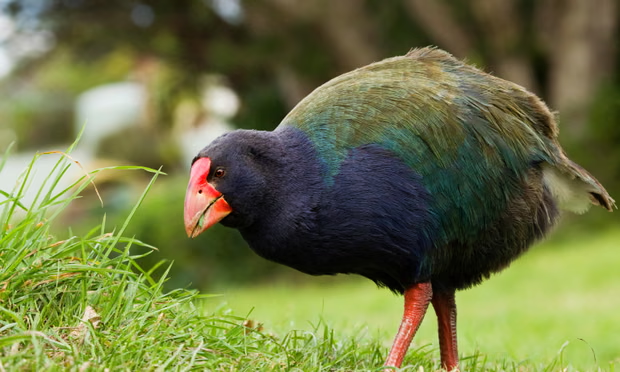
New Zealand has launched a groundbreaking program to vaccinate its rarest birds against avian influenza. Conservation authorities are taking unprecedented steps to protect critically endangered species, including the kākāpō, ahead of the spring migration season. This initiative is the first of its kind in the world and aims to prevent the deadly H5 virus from reaching vulnerable bird populations in Oceania.
The Department of Conservation has begun vaccinating up to ten captive birds from five endangered species. These birds serve as a test group to evaluate vaccine safety and effectiveness. The trial is designed to provide protection until the virus, which has affected other regions globally, potentially arrives in New Zealand.
Birds like the kākāpō, which are flightless and critically endangered, face unique risks from avian influenza. Even a single outbreak could have devastating effects on the already small populations. Conservationists emphasize that proactive measures, such as vaccination, are essential to safeguard these species from catastrophic losses.
The program uses specially formulated vaccines that target the H5 strain of avian influenza. Researchers carefully monitor the birds after vaccination to ensure that they develop immunity without experiencing adverse reactions. This controlled approach allows scientists to learn how different species respond to the vaccine and refine strategies for wider protection.
Authorities note that timing is crucial. The spring migration season increases the risk of disease spread as birds travel and interact with others. Vaccinating captive populations provides a first line of defense, buying time to prepare for potential outbreaks in wild populations. It also helps maintain genetic diversity by protecting the most at-risk species from disease-related declines.
In addition to vaccinations, biosecurity measures remain a key part of conservation efforts. Strict protocols govern human contact with endangered birds, and movement between sanctuaries is carefully controlled. The vaccination program complements these measures by offering biological protection against a highly contagious virus.
Experts believe that this trial could serve as a model for global conservation efforts. Other countries with endangered or isolated bird populations may adopt similar vaccination strategies to prevent disease outbreaks. By demonstrating that vaccines can be safely administered to rare species, New Zealand is paving the way for proactive wildlife protection worldwide.
The vaccination program also highlights the broader role of science in conservation. Researchers collaborate closely with veterinarians, ecologists, and wildlife managers to design interventions that are both safe and effective. These multidisciplinary efforts ensure that conservation strategies are grounded in evidence and maximize the chances of long-term species survival.
Public awareness is another important aspect of the program. Conservation authorities are informing local communities and wildlife enthusiasts about the vaccination initiative. Engaging the public helps build support for protective measures and fosters understanding of the challenges facing endangered birds.
While the trial is currently limited to captive populations, the long-term goal is to extend protection to wild birds if necessary. Ongoing monitoring and research will guide decisions about broader vaccination campaigns. Scientists hope that by combining vaccines with habitat protection and biosecurity, they can significantly reduce the risk of avian influenza affecting New Zealand’s most vulnerable birds.
This innovative approach demonstrates how science and conservation can work hand in hand to protect species at risk. By vaccinating critically endangered birds against avian flu, New Zealand is taking decisive action to preserve its unique wildlife. The success of this world-first trial could influence conservation strategies globally, ensuring that rare birds have a better chance of surviving in an increasingly uncertain world.
Through careful planning, scientific expertise, and proactive intervention, New Zealand is setting a new standard for wildlife protection. Vaccinating rare birds against avian influenza represents a significant step toward safeguarding biodiversity and securing the future of some of the planet’s most remarkable species.
