

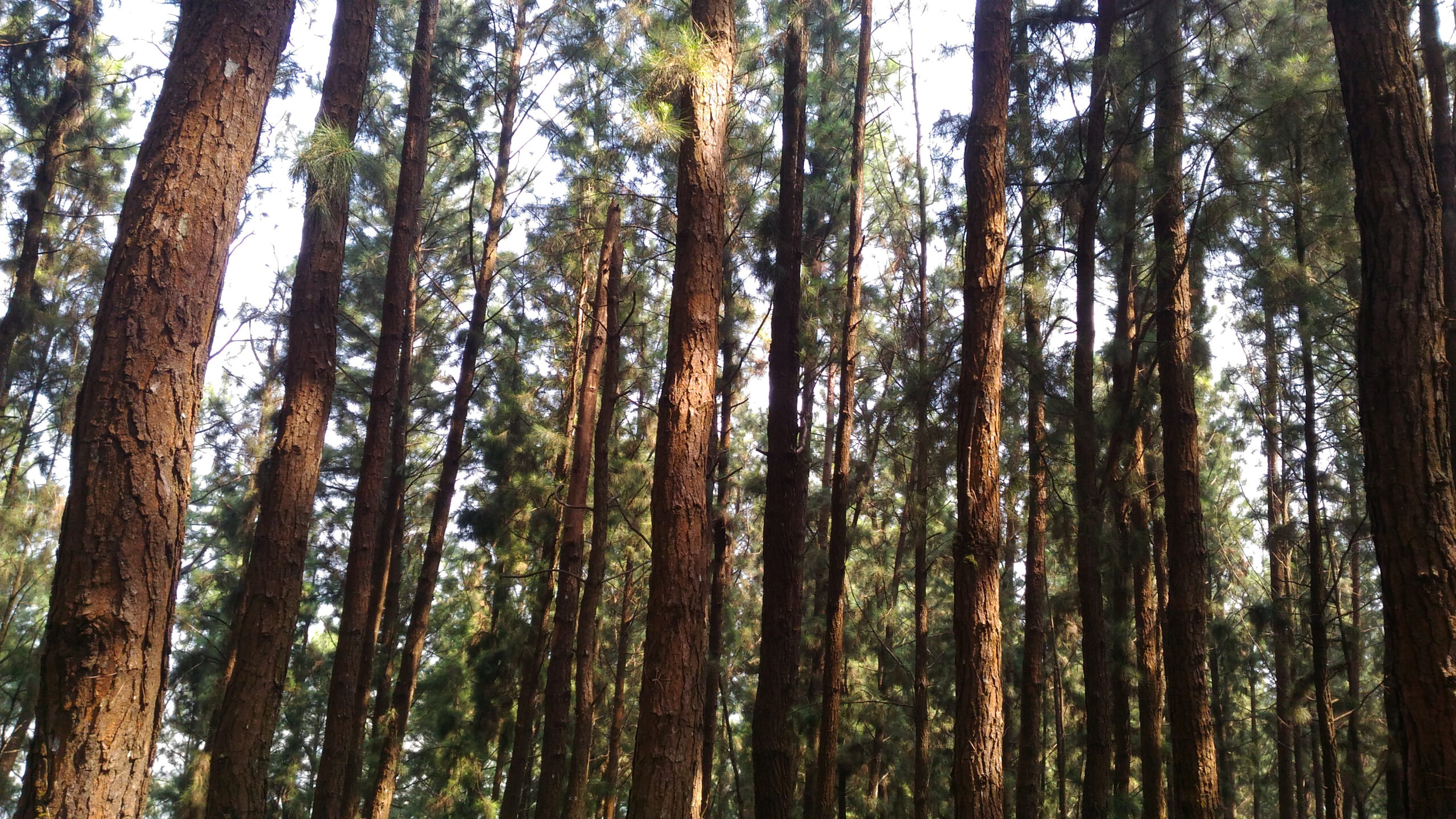
High in the mountains of the southern Peloponnese, Greece’s native fir forests are dying at an alarming rate – even in areas untouched by fire. Researchers say a dangerous mix of climate pressures is pushing these once-resilient trees past their limits.
Greek firs have long been among the country’s hardiest species, able to withstand drought, insects and regular wildfires. So when forest researcher Dimitrios Avtzis surveyed a recent burn area, he was shocked to find vast patches of dead and dying trees where flames had never reached. Entire slopes of green forest were turning orange and brown.
The damage, Avtzis says, is driven by overlapping stresses intensified by climate breakdown. Prolonged drought has weakened trees, while declining winter snowfall has reduced slow-release moisture in mountain soils. Greece has lost about 1.5 days of snow cover per year since the 1990s, depriving forests of a crucial water source.
Weakened firs are then attacked by bark beetles, which burrow under the bark and disrupt the flow of water and nutrients. Once beetle populations reach outbreak levels, they are extremely hard to control. Similar die-offs are now being reported across southern Europe, suggesting a wider ecological shift rather than a local anomaly.
There is some hope. Mediterranean forests can regenerate after fires, though recovery can take four or five years and is far from guaranteed under worsening climate conditions. Avtzis says action is urgent: funding, monitoring and coordinated forest management are needed now.
“We have the knowledge and the scientists,” he says. “What we’re seeing will only become more frequent and more intense if we don’t act.”
